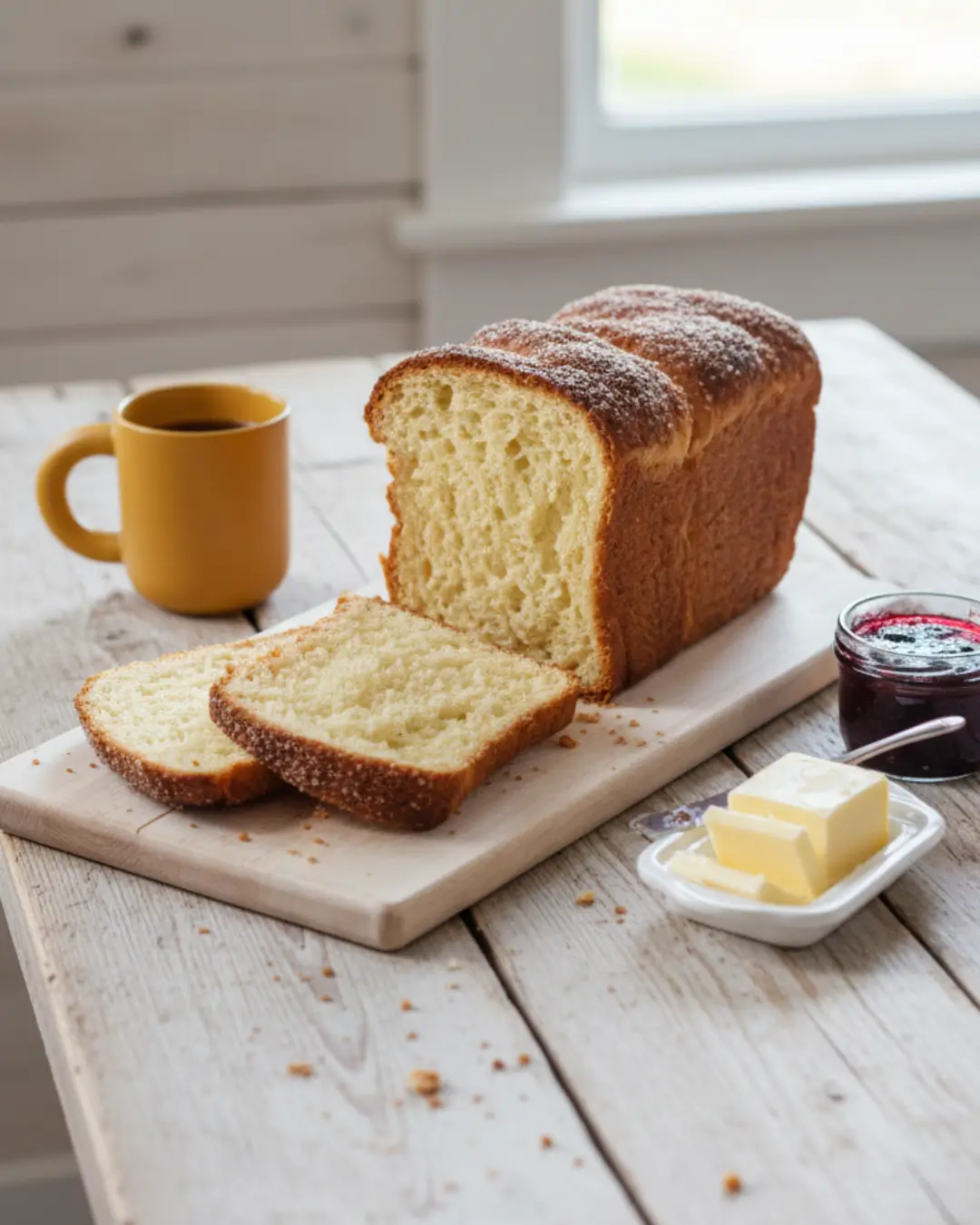
croissant loaf baking is an absolute art form, and drawing upon decades of high-level culinary strategy, I am going to walk you through exactly how to achieve bakery-tier perfection in your own home oven. Imagine slicing into a deeply golden, audibly crisp crust only to reveal a web of delicate, buttery, honeycomb layers that melt instantly on your tongue. This is not just baking; it is a masterclass in dough architecture, transforming humble ingredients into a centerpiece that will stop any breakfast or brunch conversation in its tracks.
Table of Contents
Why You Will Love This croissant loaf
- Unmatched Texture: You get the shatteringly crisp exterior of a traditional French pastry, but with the soft, tearable, and endlessly sliceable center of a standard loaf.
- Less Shaping Hassle: Rolling and cutting individual crescent shapes takes precision and time. A loaf format allows you to focus on the essential lamination process without the tedious final shaping.
- The Ultimate Toast: Slices of this bake elevate a simple morning routine into a luxury experience. Whether slathered with artisanal jam or used for an extravagant grilled cheese, the buttery crumb is unparalleled.
- Versatility in Fermentation: Once you master the yeasted base, you can easily transition this technique to create a complex, naturally leavened croissant sourdough loaf for incredible depth of flavor.
Perfect for Hosting and Parties
When you are entertaining, you need a showstopper that requires minimal day-of fuss. Serving a warm, freshly baked croissant loaf bread alongside a premium coffee spread instantly elevates you to legendary host status. It looks incredibly complex, yet entirely approachable when sliced on a wooden board.
Ingredients You Need
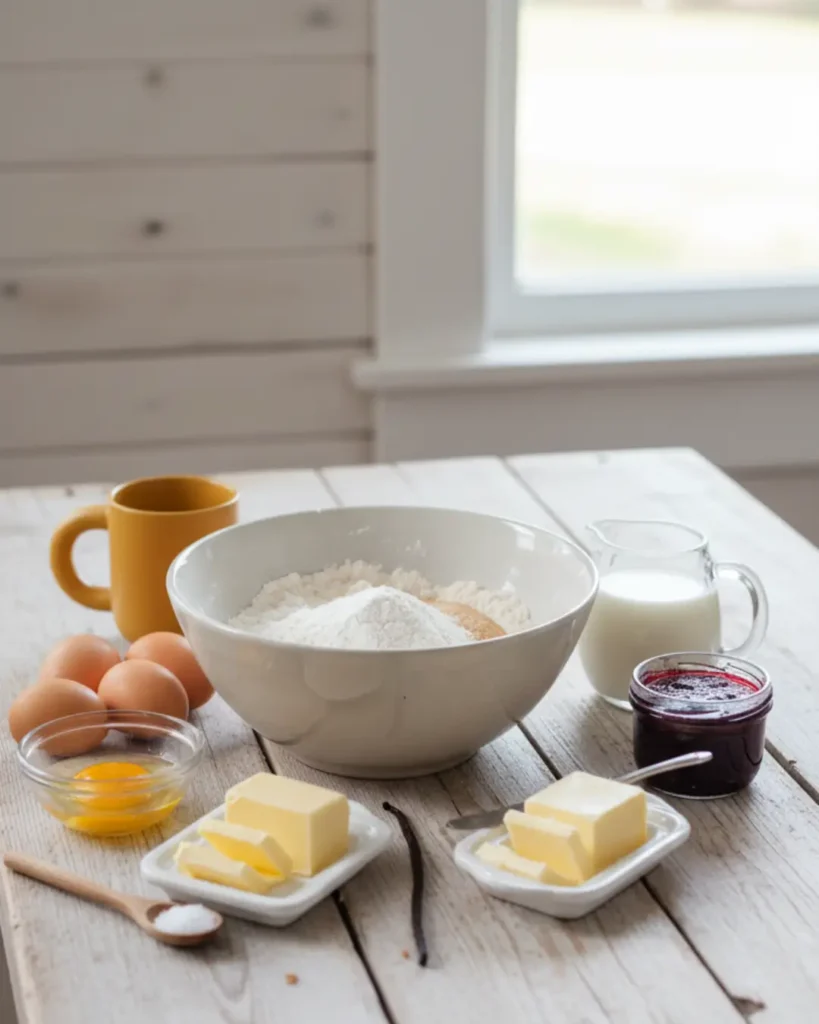
- Bread Flour: (500g) The higher protein content is non-negotiable for developing the strong gluten network required to trap the steam and create those beautiful, airy layers.
- European-Style Unsalted Butter: (350g for the block, 50g melted for the dough) You must use butter with at least 82% butterfat. Standard American butter contains too much water and will shatter during the lamination process.
- Active Dry Yeast: (10g) Ensures a reliable, steady rise.
- Whole Milk: (150g, chilled) Adds tenderness and a rich crumb.
- Water: (150g, chilled) Keeps the dough cold, which is critical.
- Granulated Sugar: (50g) Feeds the yeast and aids in caramelization for a dark, golden crust.
- Fine Sea Salt: (12g) Essential for flavor balance and regulating yeast activity.
How to Make croissant loaf
1. Prepare the Détrempe (Base Dough) In a stand mixer fitted with a dough hook, combine the bread flour, sugar, salt, yeast, milk, water, and the 50g of melted butter. Knead on low speed until a smooth, supple dough forms (about 5-7 minutes). Shape it into a rough rectangle, wrap it tightly in plastic wrap, and chill it in the refrigerator overnight. Cold dough is the secret to success.
2. Form the Beurrage (Butter Block) Take your high-fat European butter and place it between two sheets of parchment paper. Using a rolling pin, beat and roll the butter into a precise 6×8-inch rectangle. It must be pliable but cold. Chill until it matches the temperature and flexibility of your dough.
3. The Lamination Process If you have ever wondered how to make a croissant loaf with those signature layers, this is the crucial step. Roll your cold dough into a 12×8-inch rectangle. Encase the butter block completely inside the dough, sealing the edges. Roll the dough out to 18 inches long, then fold it in thirds like a business letter (a single fold). Wrap and chill for 30 minutes. Repeat this single fold two more times, chilling for 30 minutes between each turn.
4. Shaping the Loaf After the final rest, roll the laminated dough into a long rectangle. Cut the dough into strips and braid or twist them gently, or simply roll it into a tight cylinder. Place the shaped dough into a buttered 9×5-inch loaf pan.
5. Proofing and Baking Allow the dough to proof in a warm, draft-free spot (ideally around 75°F/24°C) until it has doubled in size and is incredibly jiggly. Do not rush this. Brush delicately with an egg wash. Bake at 400°F (200°C) for 15 minutes, then reduce the heat to 375°F (190°C) and bake for another 25-30 minutes until deep mahogany.
Expert Tips for Success
- Temperature is Everything: The dough and the butter must remain at the exact same consistency. If the butter is too cold, it will break and tear the dough. If it is too warm, it will melt into the flour, resulting in a dense brioche rather than a layered croissant bread loaf.
- Do Not Rush the Proof: Under-proofed laminated dough will leak butter into the bottom of your loaf pan, effectively deep-frying the bottom while leaving the center dense. Wait for the visible separation of layers.
- The Sourdough Pivot: If you are advancing your skills and want to bake a sourdough croissant loaf, swap the commercial yeast for 100g of active, stiff levain. Be prepared to significantly extend your proofing times to allow the wild yeast to do its work.
Frequently Asked Questions
How long does a croissant loaf stay fresh?
Due to the high butter content, this bread is best consumed within 48 hours. Store it in a paper bag at room temperature to maintain the crust. Do not refrigerate it, as the cold will accelerate staling.
Can I make this ahead of time?
Absolutely. You can freeze the fully laminated, unproofed dough right in the loaf pan. When you are ready to bake, let it thaw in the refrigerator overnight, then proof at room temperature before baking.
Conclusion
Mastering this technique takes patience, but the moment you pull that towering, golden masterpiece from the oven, you will understand why the effort is entirely worth it. Grab your high-fat butter, respect the chilling times, and get ready to bake the most spectacular loaf of your life. Please leave a rating and let me know in the comments how your layers turned out.
croissant loaf
Ingredients
Method
- Combine flour, sugar, salt, yeast, milk, water, and melted butter. Knead until smooth, shape into a rectangle, and chill overnight.
- Pound the 350g of cold butter into a 6×8-inch rectangle. Chill until pliable but firm.
- Encase the butter block in the chilled dough. Perform three single folds (letter folds), chilling the dough for 30 minutes between each turn.
- Roll the laminated dough out, cut into strips, braid or roll into a cylinder, and place in a buttered 9×5-inch loaf pan.
- Proof in a warm spot until doubled and jiggly. Brush with egg wash and bake at 400°F (200°C) for 15 minutes, then at 375°F (190°C) for 25-30 minutes until deep golden brown.