Himalayan pink salt isn’t just a pretty ingredient; it’s a practical kitchen staple that adds clean, balanced flavor to everyday cooking. Whether you’re seasoning a steak, finishing a salad, or baking vegetables, this salt shines because of its gentle salinity and subtle mineral notes. In this guide, you’ll learn how to use pink salt in simple recipes that actually taste better because of it.
We’ll cover basic techniques, a few go-to dishes, and smart tips for getting the most out of every pinch.
What Makes This Special
Himalayan pink salt has a mild, rounded salinity that lets ingredients taste like themselves, not just “salty.” The crystals often dissolve more slowly, offering better control when seasoning. It also comes in different grinds and forms, from fine table salt to slabs for grilling, so you can adapt it to your cooking style. The real win is consistency: it seasons evenly, helps draw moisture for better searing, and finishes dishes with a clean, mineral snap.
Shopping List
- Himalayan pink salt (fine for cooking, coarse or flakes for finishing)
- Olive oil (extra-virgin for finishing, light for cooking)
- Freshly ground black pepper
- Garlic (fresh cloves and powder)
- Lemon (zest and juice)
- Fresh herbs (rosemary, thyme, parsley, or dill)
- Chicken thighs (bone-in, skin-on)
- Salmon fillets (skin-on)
- Ribeye or strip steak (1–1.5 inches thick)
- Seasonal vegetables (broccoli, carrots, zucchini, asparagus, or potatoes)
- Unsalted butter
- Plain Greek yogurt (for sauces or marinades)
- Honey or maple syrup (optional, for glazes)
- Crushed red pepper (optional, for heat)
Instructions
- Make a simple pink salt rub. In a small bowl, combine 1 tablespoon fine Himalayan pink salt, 1 teaspoon black pepper, 1 teaspoon garlic powder, and 1 teaspoon lemon zest. This all-purpose mix is great on chicken, steak, salmon, and vegetables.
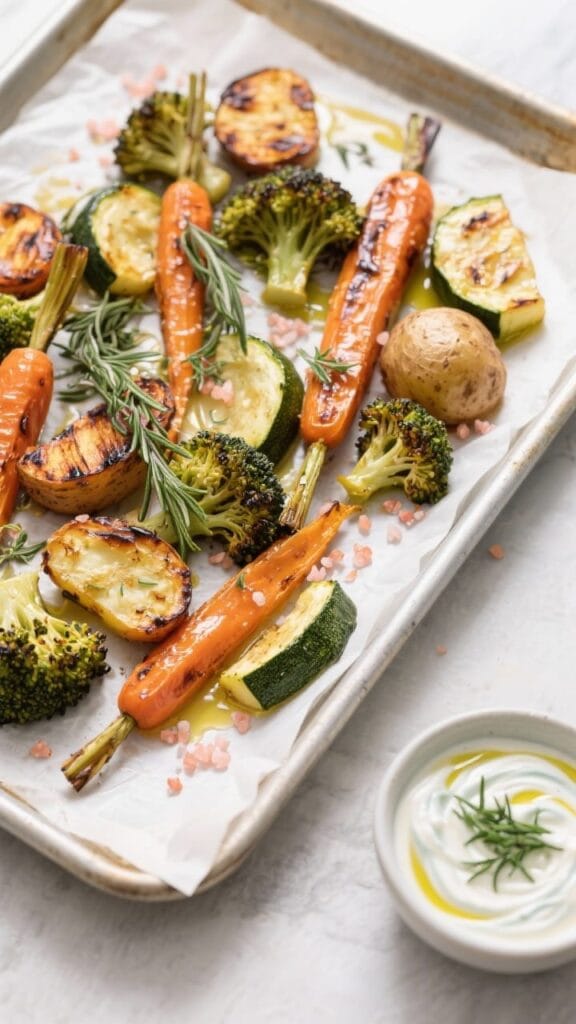
- Roasted vegetables with pink salt. Toss chopped vegetables with olive oil, 1–2 teaspoons of the rub, and fresh herbs.
Roast at 425°F (220°C) for 20–30 minutes, shaking the pan halfway. Finish with a pinch of coarse pink salt for crunch and brightness.
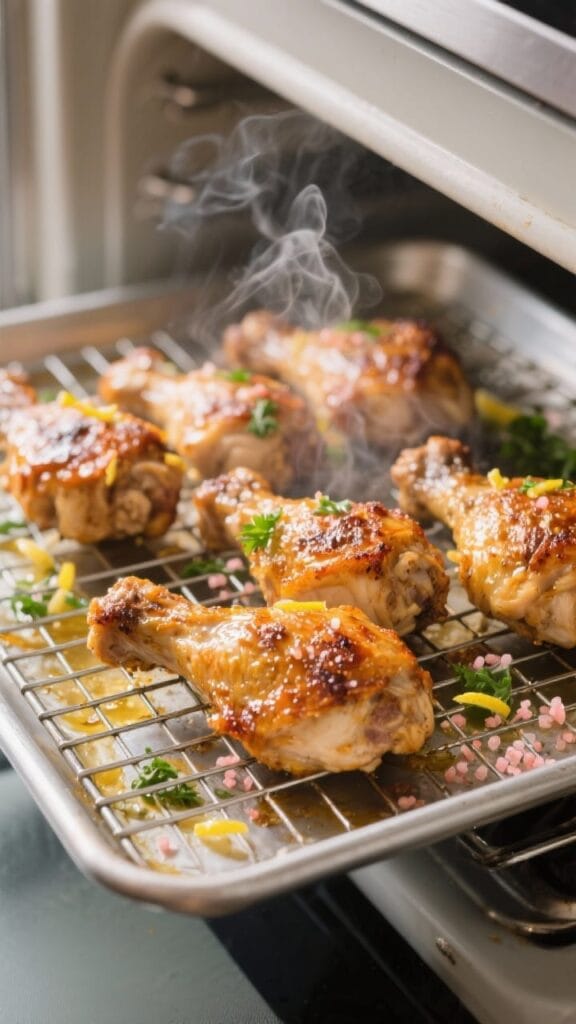
- Crispy chicken thighs. Pat chicken dry. Season generously with the rub (about 1 teaspoon per thigh).
Roast at 400°F (205°C) on a wire rack over a sheet pan for 35–45 minutes until the skin is crisp and juices run clear. Brush with a little melted butter and a squeeze of lemon, then add a light sprinkle of coarse pink salt.
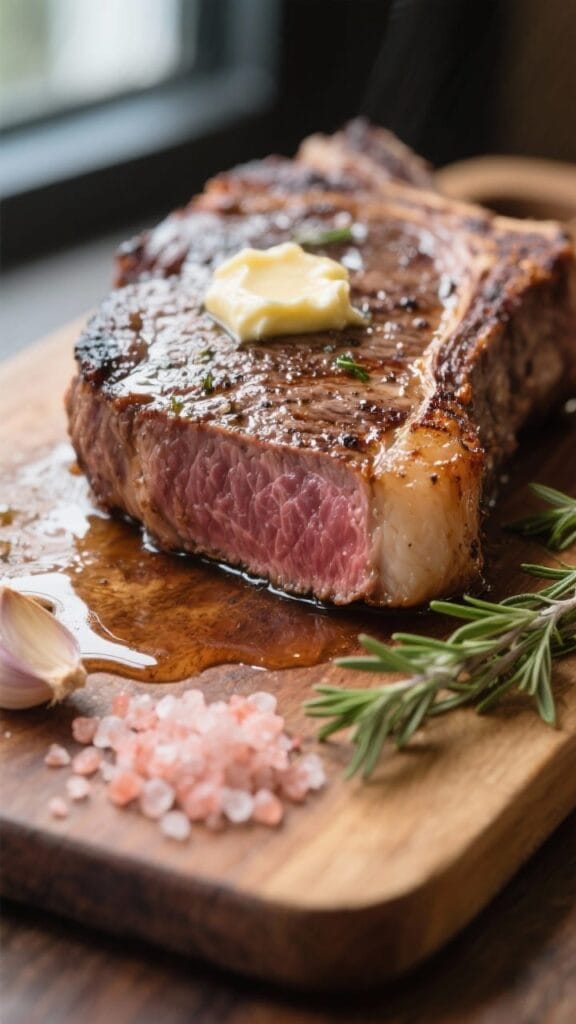
- Pan-seared steak. Bring steak to room temperature. Pat dry and season on both sides with fine pink salt and pepper.
Sear in a hot cast-iron pan with a thin film of oil, 2–3 minutes per side, then reduce heat and add a knob of butter, smashed garlic, and thyme. Baste for 1–2 minutes. Rest 5–10 minutes and finish with a few grains of coarse pink salt.
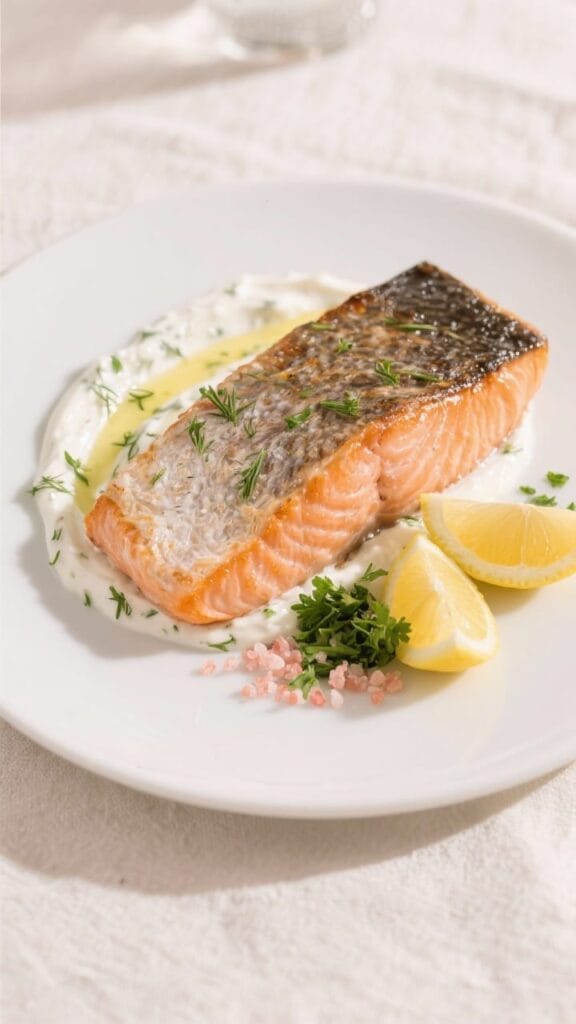
- Weeknight salmon. Pat salmon dry.
Season with the rub and a touch of olive oil. Bake at 400°F (205°C) for 10–12 minutes, or pan-sear skin-side down until crisp, then finish in the oven for 3–5 minutes. Top with lemon juice, chopped parsley, and a pinch of flaky pink salt.
- Yogurt-herb sauce. Mix 1 cup Greek yogurt with 1/2 teaspoon fine pink salt, lemon juice, dill, and a drizzle of olive oil.
Use as a dip for roasted vegetables, a sauce for salmon, or a topping for chicken.
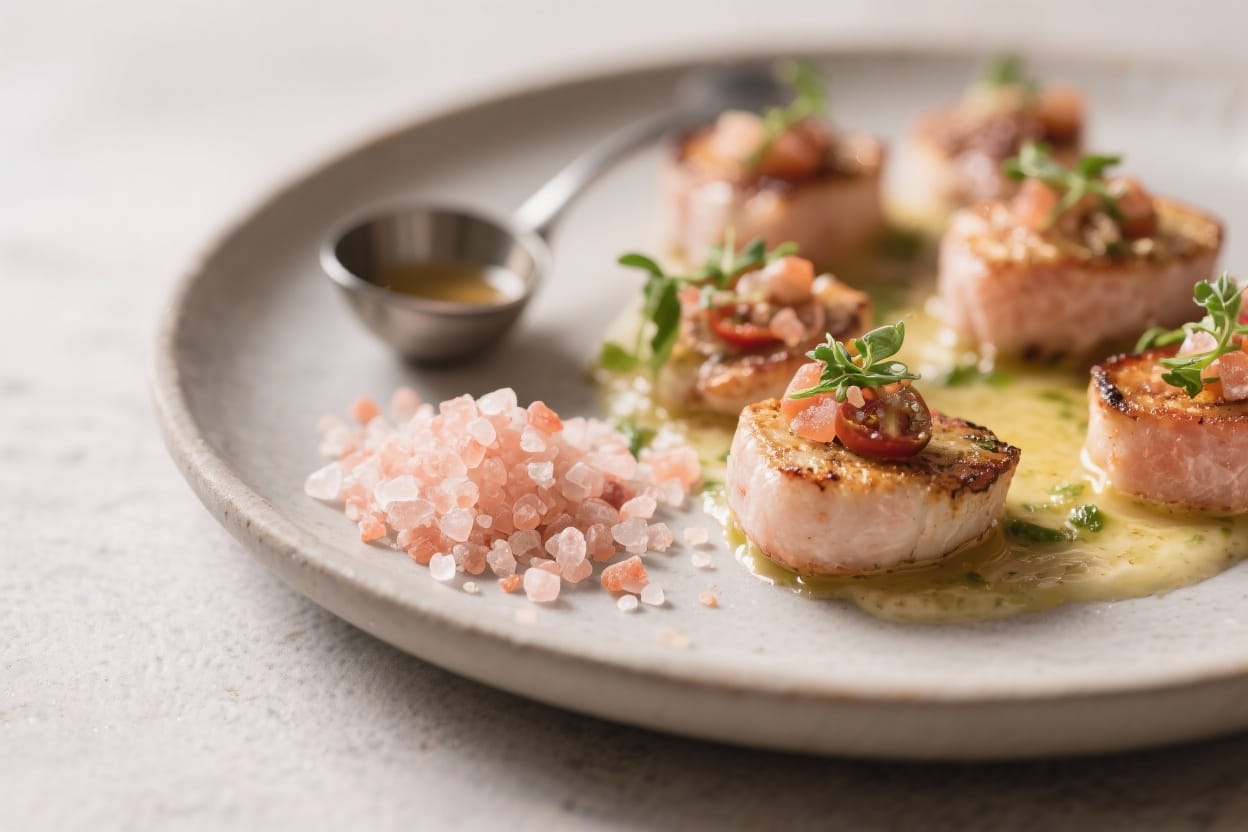
- Himalayan salt finishers. Keep a small pinch bowl of coarse or flaky pink salt on the table. Use a tiny pinch right before serving to add a clean, crisp hit of flavor to eggs, tomatoes, avocado toast, or grilled corn.
- Optional: Salt slab cooking. If you have a Himalayan salt block, heat it slowly: 15 minutes on low, 15 on medium, then 15 on high on the stovetop or in the oven. Sear thin slices of steak, shrimp, or zucchini directly on it. Important: Let it cool completely before washing; never soak it.
Wipe with a damp cloth and dry thoroughly.
Storage Instructions
Store pink salt in an airtight container away from moisture. It can clump if it absorbs humidity, so add a few grains of uncooked rice to your salt cellar if needed. If you use a salt block, keep it in a cool, dry place after it’s fully dry. Avoid direct contact with acidic liquids when storing or cleaning, as they can erode the surface.
Benefits of This Recipe
- Balanced flavor: Pink salt enhances without overwhelming, so dishes taste clean and focused.
- Better texture: A final sprinkle of coarse crystals adds crunch and contrast, especially on meats and roasted vegetables.
- Consistent seasoning: Fine grain dissolves evenly, reducing salty “hot spots.”
- Flexible techniques: Works for roasting, searing, finishing, and even salt block cooking.
- Everyday friendly: Simple ingredients, quick methods, and reliable results.
Common Mistakes to Avoid
- Over-salting early: Pink salt can taste mild at first, but flavor builds as it dissolves.
Season gradually and taste as you go.
- Using coarse crystals in sauces: Coarse salt may not dissolve fully. Use fine pink salt for marinades, dressings, and sauces.
- Skipping the dry pat: Moisture blocks browning. Always dry meats and vegetables before seasoning.
- Heating a salt block too fast: Sudden high heat can crack the block.
Warm it gradually.
- Not resting meat: Resting lets juices redistribute. Finish with a final pinch of salt after resting, not before.
Variations You Can Try
- Garlic-lemon chicken: Add extra lemon zest and fresh garlic to the rub, then finish with chopped parsley.
- Sweet-heat salmon: Mix honey, crushed red pepper, and lemon juice. Brush during the last few minutes of cooking; finish with flaky pink salt.
- Herb-crusted steak: Combine finely chopped rosemary and thyme with pink salt and pepper; press onto the steak before searing.
- Smoky roasted veggies: Add smoked paprika and cumin to the rub for potatoes, carrots, and cauliflower.
- Avocado toast upgrade: Mash avocado with lemon, fine pink salt, and chili flakes; finish with coarse crystals for crunch.
- Tomato salad finisher: Slice ripe tomatoes, drizzle with olive oil, add basil, and finish with a big pinch of flaky pink salt.
FAQ
Is Himalayan pink salt healthier than regular salt?
It contains trace minerals, but the differences are small.
The main benefit is flavor and texture. Regardless of type, use salt in moderation as part of a balanced diet.
Can I substitute pink salt for table salt 1:1?
By weight, yes. By volume, it depends on the grind.
Fine pink salt is close to table salt; coarse crystals are less dense, so you may need more. When in doubt, start with less and adjust.
What’s the best use for coarse pink salt?
Use it as a finishing salt on steaks, eggs, roasted vegetables, and salads. The crunchy crystals add texture and a clean pop of flavor right before serving.
Do I need special equipment for a salt block?
Not required, but a strong stovetop grate or oven-safe setup helps.
Heat it gradually, use metal tongs, and a sturdy trivet. Never put a hot block on a cold surface or run it under water.
Why is my food turning too salty with pink salt?
You might be double-salting: once in a rub and again as a finisher. Track your seasoning steps, taste before serving, and use a lighter hand with finishing salt.
Can I use pink salt in baking?
Yes.
Use fine pink salt for even distribution in doughs, batters, and pastries. It works just like regular fine salt in most recipes.
How long does Himalayan pink salt last?
Indefinitely if kept dry and sealed. If it clumps, crush gently or spread on a tray to dry before storing again.
In Conclusion
Himalayan pink salt brings a gentle, clean salinity that makes everyday dishes shine.
With the right grind and a few smart techniques, you can season more precisely and finish with flair. Keep fine salt for cooking, coarse for finishing, and taste as you go. Simple steps, reliable flavor, and a little sparkle on the plate that’s the beauty of cooking with pink salt.
Himalayan Pink Salt Recipes Cooking – Simple, Flavorful Ways to Use This Mineral-Rich Salt
Ingredients
Method
- Make a simple pink salt rub. In a small bowl, combine 1 tablespoon fine Himalayan pink salt, 1 teaspoon black pepper, 1 teaspoon garlic powder, and 1 teaspoon lemon zest. This all-purpose mix is great on chicken, steak, salmon, and vegetables.
- Roasted vegetables with pink salt. Toss chopped vegetables with olive oil, 1–2 teaspoons of the rub, and fresh herbs.Roast at 425°F (220°C) for 20–30 minutes, shaking the pan halfway. Finish with a pinch of coarse pink salt for crunch and brightness.
- Crispy chicken thighs. Pat chicken dry. Season generously with the rub (about 1 teaspoon per thigh).Roast at 400°F (205°C) on a wire rack over a sheet pan for 35–45 minutes until the skin is crisp and juices run clear. Brush with a little melted butter and a squeeze of lemon, then add a light sprinkle of coarse pink salt.
- Pan-seared steak. Bring steak to room temperature. Pat dry and season on both sides with fine pink salt and pepper.Sear in a hot cast-iron pan with a thin film of oil, 2–3 minutes per side, then reduce heat and add a knob of butter, smashed garlic, and thyme. Baste for 1–2 minutes. Rest 5–10 minutes and finish with a few grains of coarse pink salt.
- Weeknight salmon. Pat salmon dry.Season with the rub and a touch of olive oil. Bake at 400°F (205°C) for 10–12 minutes, or pan-sear skin-side down until crisp, then finish in the oven for 3–5 minutes. Top with lemon juice, chopped parsley, and a pinch of flaky pink salt.
- Yogurt-herb sauce. Mix 1 cup Greek yogurt with 1/2 teaspoon fine pink salt, lemon juice, dill, and a drizzle of olive oil.Use as a dip for roasted vegetables, a sauce for salmon, or a topping for chicken.
- Himalayan salt finishers. Keep a small pinch bowl of coarse or flaky pink salt on the table. Use a tiny pinch right before serving to add a clean, crisp hit of flavor to eggs, tomatoes, avocado toast, or grilled corn.
- Optional: Salt slab cooking. If you have a Himalayan salt block, heat it slowly: 15 minutes on low, 15 on medium, then 15 on high on the stovetop or in the oven. Sear thin slices of steak, shrimp, or zucchini directly on it. Important: Let it cool completely before washing; never soak it.Wipe with a damp cloth and dry thoroughly.