Looking for an easy way to unwind after a long day? This pink Himalayan bath salt recipe brings a spa-like soak right to your bathroom. It’s quick to make, affordable, and customizable with scents you love.
You don’t need special equipment, and most ingredients are easy to find. Whether you’re easing tension or treating yourself to a quiet reset, this blend makes your bath feel indulgent without the fuss.
Table of Contents
What Makes This Special
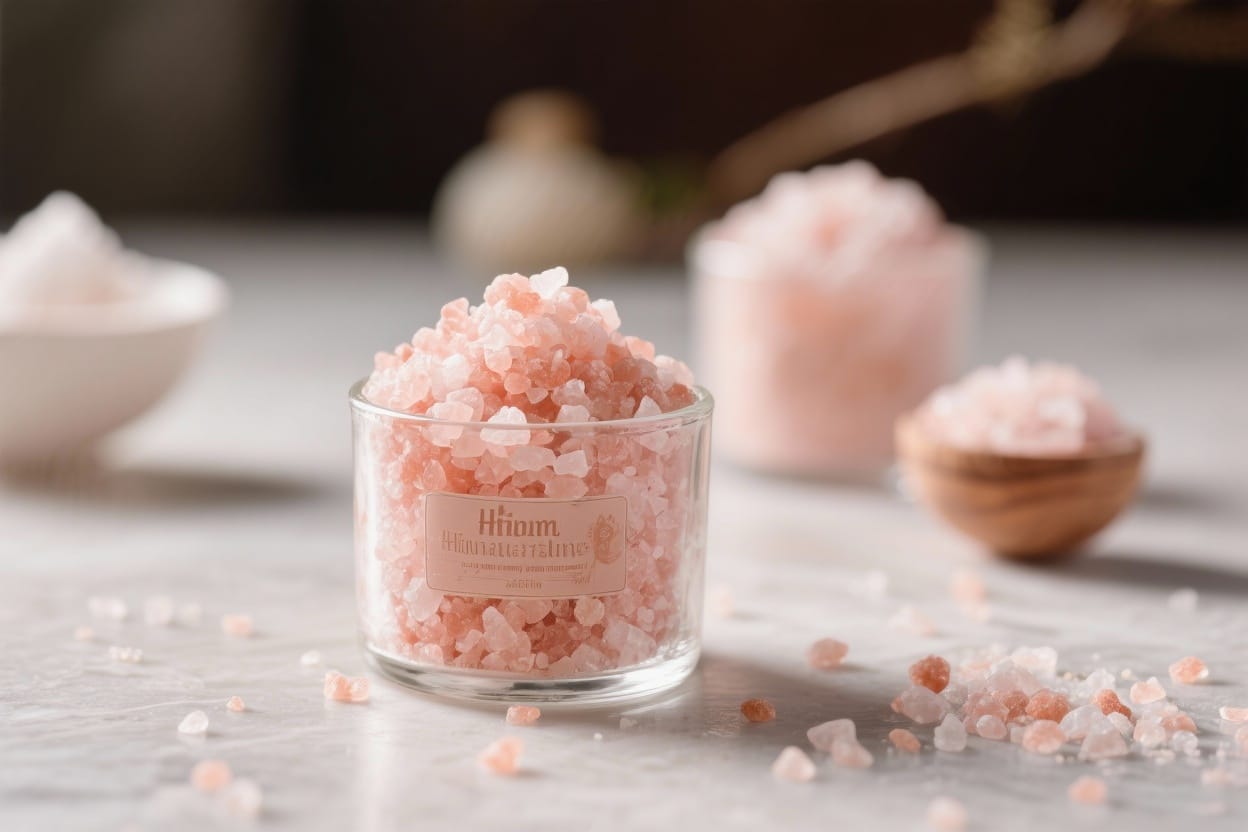
Pink Himalayan salt isn’t just pretty. It has a slightly coarse texture and a natural mineral profile that many people find soothing on the skin.
When paired with Epsom salt, which is known for helping tired muscles feel more relaxed, you get a bath that’s both calming and restorative. Add a carrier oil and essential oils, and your soak becomes a fragrant, skin-softening ritual. Bonus: This recipe avoids unnecessary additives, dyes, and artificial fragrances. You control the scent strength, the feel, and the ingredients.
It also makes a thoughtful, homemade gift that looks beautiful in a jar.
What You’ll Need
- 1 cup pink Himalayan salt (fine or medium grain)
- 1 cup Epsom salt
- 1–2 tablespoons carrier oil (sweet almond, fractionated coconut, jojoba, or grapeseed)
- 15–25 drops essential oils (lavender, eucalyptus, peppermint, citrus, or a blend)
- Optional add-ins:
- 1–2 tablespoons baking soda (for a silkier bath feel)
- Dried botanicals like rose petals, lavender buds, or calendula (for looks and light aroma)
- 1 teaspoon finely ground colloidal oatmeal (for extra soothing)
- A few drops vitamin E oil (as an antioxidant)
- Tools: Mixing bowl, spoon, measuring cups, airtight glass jar with lid
Step-by-Step Instructions
- Combine the salts. Add pink Himalayan salt and Epsom salt to a clean, dry bowl. Stir to distribute textures evenly. If using baking soda, mix it in now.
- Blend the oils. In a separate small bowl, combine your carrier oil with essential oils.
This helps avoid scent “hot spots.” Start with fewer essential oil drops and add more slowly to taste.
- Mix thoroughly. Drizzle the oil blend over the salts, a little at a time. Stir between additions to prevent clumps. The mixture should feel dry and free-flowing, not wet.
- Add botanicals (optional). Fold in dried petals or herbs if you like.
Use a light hand to avoid clogging drains. You can also place botanicals in a small muslin bag for easy cleanup.
- Jar it up. Spoon the mixture into an airtight glass jar. Label it with the scent and the date.
Store in a cool, dry place away from sunlight.
- Use in the bath. Add 1/2 to 1 cup to warm running bath water. Swirl the water to help salts dissolve. Soak for 15–20 minutes and sip water to stay hydrated.
Keeping It Fresh
Moisture is the enemy of clump-free bath salts.
Keep your jar tightly sealed and use a clean, dry scoop. Store away from steamy showers and direct sun. If you add botanicals or a higher amount of carrier oil, aim to use your salts within 3–4 months.
A plain salt blend without botanicals can last up to 6–12 months. If you notice a stale scent or visible moisture, make a fresh batch.
Health Benefits
While experiences vary, many people report a few consistent perks:
- Relaxation and stress relief: Warm water plus calming scents like lavender can help your body and mind unwind.
- Muscle comfort: Epsom salt (magnesium sulfate) is commonly used for soothing post-workout tension and sore feet.
- Skin-softening feel: The combination of oils and salts can leave skin feeling smoother after a soak.
- Aromatherapy lift: Essential oils like eucalyptus, peppermint, or citrus can refresh the senses.
Note: Claims about mineral absorption through the skin are not firmly established. Think of this recipe as a sensory, self-care ritual that may help you relax and feel more comfortable.
Pitfalls to Watch Out For
- Too much oil: An oily mix can make your tub slippery and cause clumping.
Stick to 1–2 tablespoons per 2 cups of salts.
- Overpowering scent: Essential oils are strong. Start with 15 drops and add more gradually, especially with peppermint or eucalyptus.
- Allergies and sensitivities: Patch test essential oils diluted with carrier oil on your skin. Avoid known allergens.
- Clogged drains: Large petals and herbs can build up.
Use a muslin bag or drain catcher if you include botanicals.
- Moisture contamination: Wet spoons or humid storage cause caking. Keep tools and jars dry.
- Medical conditions: If you’re pregnant, have high blood pressure, skin conditions, or are on certain medications, check with a healthcare professional before using essential oils or hot baths.
Recipe Variations
- Calming Night Blend: 20 drops lavender, 5 drops cedarwood, 3 drops vanilla oleoresin. Add 1 tablespoon colloidal oatmeal for extra soothing.
- Clear & Cool: 10 drops eucalyptus, 8 drops peppermint, 7 drops rosemary.
Great for an invigorating feel. Use less if you have sensitive skin.
- Citrus Sunshine: 10 drops sweet orange, 8 drops lemon, 5 drops grapefruit, 2 drops lime. Add 1 teaspoon jojoba for a lighter, non-greasy finish.
Avoid sun exposure right after if your skin is sensitive to citrus oils.
- Rose Glow: 12 drops rose geranium, 6 drops palmarosa, 4 drops frankincense. Stir in a teaspoon of dried rose petals for looks.
- Herbal Spa: 10 drops lavender, 8 drops tea tree, 6 drops clary sage. Keep botanicals minimal to avoid clogging.
FAQ
Can I skip the Epsom salt?
Yes.
Replace it with more pink Himalayan salt. The bath will still feel luxurious, though you may miss the classic “muscle soak” feel that many associate with Epsom salt.
Which grain size is best for pink Himalayan salt?
Fine or medium grain dissolves more evenly and feels smoother in the bath. Large chunks look pretty but may take longer to dissolve.
Are essential oils safe for kids or during pregnancy?
Use extra caution.
Many essential oils aren’t recommended for young children or during pregnancy. Speak with a healthcare professional and use very low dilution if approved. Unscented salts are a safer option.
How much should I add to the bath?
Use 1/2 to 1 cup per standard tub.
Start on the lower end and adjust based on your preference and tub size.
Will this stain my tub?
The salts and carrier oils won’t stain, but some botanicals or dark essential oils might leave a light ring. Rinse the tub after use and wipe if needed.
Can I add color?
If you want color, use a tiny pinch of skin-safe mica powder. Avoid food dye, which can stain skin and tubs.
Keep it minimal for a natural look.
What if the salts clump?
Spread them on a baking sheet and let them air-dry for a day, then break up clumps with a spoon. Store in a drier spot and keep the lid sealed tight.
Do I need a preservative?
Because this recipe is oil-and-salt based with no water added, a preservative isn’t required. Keep moisture out and use within a few months for best quality.
Can I use sea salt instead of pink Himalayan salt?
Yes.
Fine sea salt works well. The feel and look will be slightly different, but the recipe stays the same.
Is this safe for sensitive skin?
Often, yes, but keep it simple. Skip strong essential oils, avoid botanicals, and test with a small amount first.
If irritation occurs, discontinue use.
Final Thoughts
This pink Himalayan bath salt recipe is easy, flexible, and relaxing to use. With a few basic ingredients, you can create a custom soak that fits your mood and your skin. Keep the scent gentle, store it well, and enjoy a soothing bath whenever you need a reset.
It’s a small ritual that feels like a luxury without leaving home.
Pink Himalayan Bath Salt Recipe – Simple, Soothing, and Spa-Worthy
Ingredients
Method
- Combine the salts. Add pink Himalayan salt and Epsom salt to a clean, dry bowl. Stir to distribute textures evenly. If using baking soda, mix it in now.
- Blend the oils. In a separate small bowl, combine your carrier oil with essential oils.This helps avoid scent “hot spots.” Start with fewer essential oil drops and add more slowly to taste.
- Mix thoroughly. Drizzle the oil blend over the salts, a little at a time. Stir between additions to prevent clumps. The mixture should feel dry and free-flowing, not wet.
- Add botanicals (optional). Fold in dried petals or herbs if you like.Use a light hand to avoid clogging drains. You can also place botanicals in a small muslin bag for easy cleanup.
- Jar it up. Spoon the mixture into an airtight glass jar. Label it with the scent and the date.Store in a cool, dry place away from sunlight.
- Use in the bath. Add 1/2 to 1 cup to warm running bath water. Swirl the water to help salts dissolve. Soak for 15–20 minutes and sip water to stay hydrated.