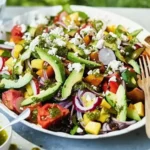
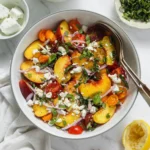
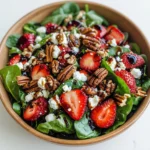
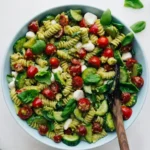
Protein-packed Thai pasta salad is the ultimate solution for anyone craving a vibrant, satisfying, and nutritionally dense meal. After extensive experience of testing recipes in my kitchen and refining culinary techniques for professional environments, I can tell you that finding the perfect balance of sweet, savory, and spicy in a cold noodle dish is an absolute game-changer. This dish marries colorful, crisp vegetables with a luscious sauce, delivering a massive nutritional punch without sacrificing an ounce of flavor.
The first time I made a spicy peanut dressing, I realized how easily a good sauce can mask a mediocre base. But after countless rounds of testing throughout my career as a culinary instructor, I discovered that the foundation of a truly exceptional cold noodle salad lies in the ingredients themselves. By swapping traditional wheat pasta for a legume-based alternative, you completely transform the dish’s macro-nutritional profile, turning a simple side dish into a powerhouse main course.
What separates this high protein meal prep from the rest is the careful orchestration of textures and the bulletproof emulsification technique used for the dressing. While many recipes leave you with a watery sauce or clumpy noodles by day two, this method ensures that the edamame noodles remain perfectly al dente and the crunchy vegetable slaw stays crisp, even after marinating in the fridge. We are utilizing culinary science to build a dish that actually tastes better the longer it sits.
This protein-packed Thai pasta salad will not disappoint. Let’s get started.
Table of Contents
The Anatomy of the Perfect Noodle Salad
Creating a standout cold pasta salad requires more than just tossing ingredients into a bowl. It requires an understanding of how temperatures affect starches and how fats interact with acids. When designing this recipe, I focused on three core pillars: texture variety, flavor layering, and nutritional density.
By utilizing ingredients that naturally boast high protein contents, we eliminate the need for heavy, processed additions. The natural snap of fresh vegetables provides a necessary contrast to the chewy noodles and creamy dressing, resulting in a perfectly balanced bite every single time.
Essential Ingredients For Protein-packed Thai pasta salad
To achieve the best results, gathering high-quality ingredients is paramount. Here is what you will need:
- The Protein Base: To maximize the protein content, we use legume-based pasta. Edamame spaghetti or black bean noodles are fantastic choices, offering up to 24 grams of protein per serving.
- The Crunch Factor: Red bell peppers, shredded purple cabbage, shredded carrots, and snap peas. These vegetables provide essential vitamins and that satisfying crunch that holds up against the rich dressing.
- Aromatics and Herbs: Fresh cilantro, green onions, and fresh ginger. Do not substitute ground ginger here; the sharp, fresh bite of grated ginger root is crucial for authentic flavor.
- The Dressing Core: Natural, unsweetened peanut butter, low-sodium soy sauce (or tamari for gluten-free), rice vinegar, toasted sesame oil, lime juice, and a touch of maple syrup or honey to balance the acidity.
- The Heat: Sriracha or red pepper flakes, adjusted to your personal heat tolerance.
- Garnishes: Crushed roasted peanuts and a sprinkle of sesame seeds.
Step-by-Step Instructions For Protein-packed Thai pasta salad
- Prepare the Noodles: Boil a large pot of generously salted water. Cook your chosen high-protein noodles according to the package instructions until they are exactly al dente. Do not overcook them, as they will soften further once dressed.
- The Crucial Rinse: Immediately drain the pasta and rinse it thoroughly under ice-cold running water.
- Prep the Vegetables: While the pasta drains, julienne your bell peppers, finely shred the cabbage and carrots, and slice the snap peas. The goal is to have all vegetables cut to a similar size to ensure a uniform texture in every forkful.
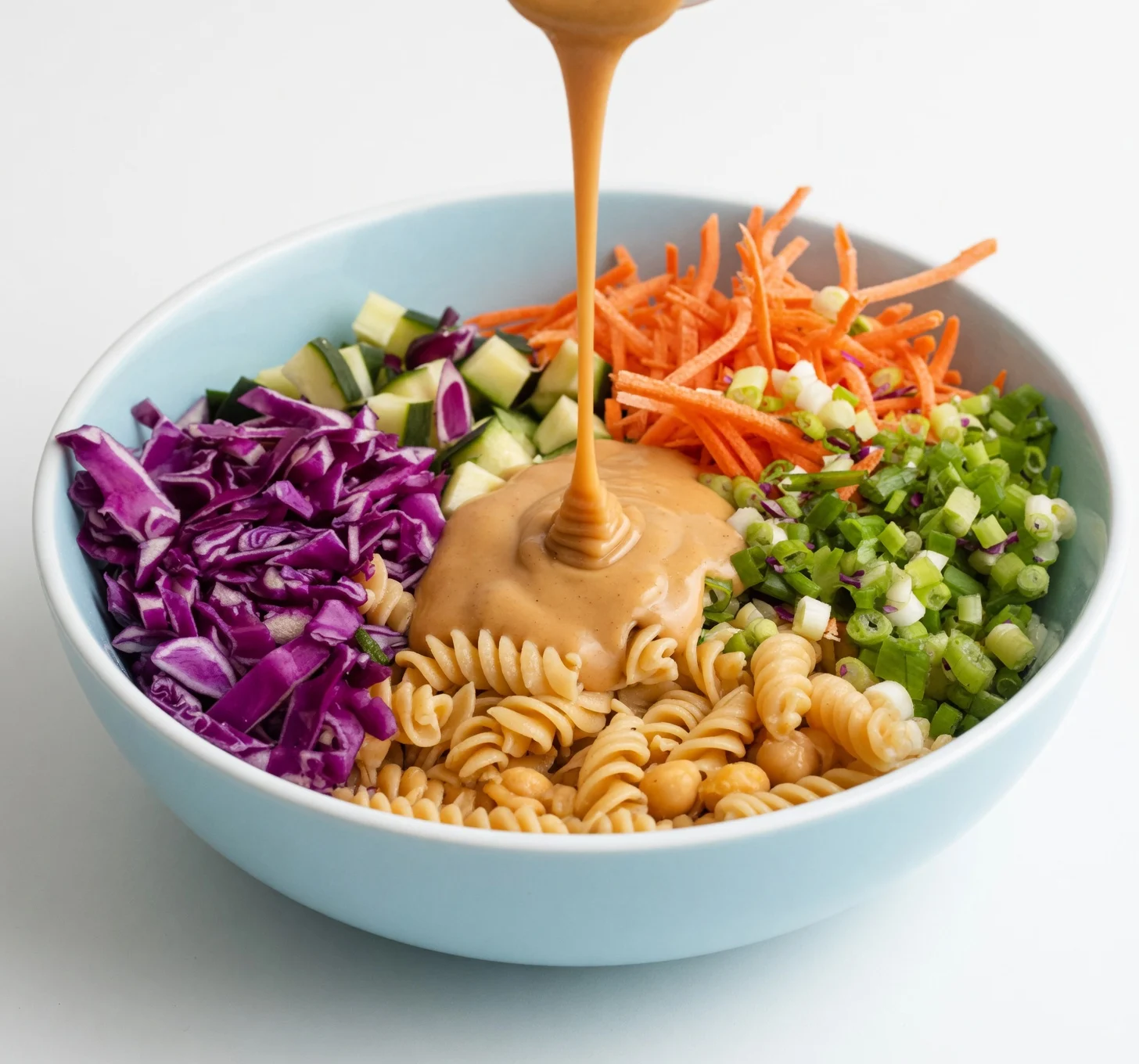
- Emulsify the Dressing: In a medium mixing bowl, whisk together the peanut butter, soy sauce, rice vinegar, sesame oil, lime juice, grated ginger, maple syrup, and sriracha. Whisk vigorously until the mixture is completely smooth and glossy. If the dressing is too thick, add warm water one tablespoon at a time until it reaches a pourable consistency.
- Assemble and Toss: In a massive mixing bowl, combine the chilled noodles and the prepared vegetables. Pour the dressing over the top and use tongs to toss everything together, ensuring every noodle and vegetable strand is coated.
- Garnish and Chill: Fold in the chopped cilantro and green onions. Top with crushed peanuts. For the best flavor, let the salad chill in the refrigerator for at least 30 minutes before serving.
Expert Tips and Crucial Warnings
Throughout my professional career testing recipes, I’ve seen home cooks make one critical error when preparing cold noodle dishes: failing to properly handle the starch.
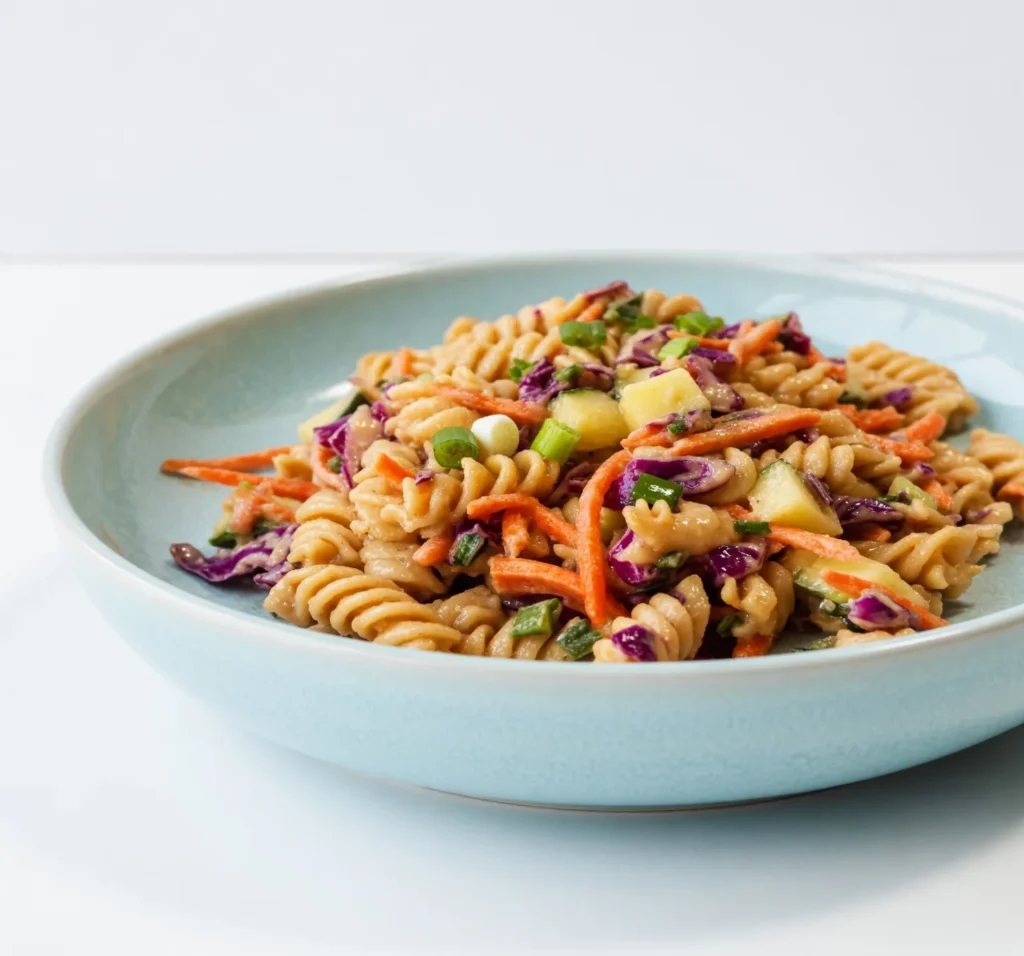
Expert Failure Warning: If you do not rinse your pasta under cold water immediately after boiling, the residual surface starches will cause the noodles to coagulate into a massive, unappetizing block. Furthermore, the carry-over cooking will turn the noodles to mush. Rinsing stops the cooking process instantly and washes away the sticky starch, ensuring each noodle remains distinct and beautifully coated in the dressing.
Another tip involves the dressing. Natural peanut butter often separates. Ensure you stir your peanut butter thoroughly in its jar before measuring it out. If your dressing “breaks” (separates into oil and solids) while whisking, do not panic. Simply add a teaspoon of extremely hot water and whisk vigorously; the heat and agitation will force the emulsion back together.
Customizations and Dietary Variations
One of the greatest strengths of this recipe is its versatility. Over years of developing menus, I have tested numerous variations to accommodate different dietary needs without sacrificing the integrity of the dish.
- Nut-Free Alternative: If you have peanut allergies, swap the peanut butter for sunflower seed butter (SunButter). Use toasted sunflower seeds instead of peanuts for the garnish.
- Carnivore Additions: While this dish is naturally high in plant-based protein, you can easily fold in sliced, grilled chicken breast or poached shrimp.
- Extra Veggie Power: Feel free to clear out your crisper drawer. Steamed broccoli florets, baby spinach, or thinly sliced radishes make excellent additions.
- Gluten-Free: Ensure you are using tamari instead of standard soy sauce, and double-check that your legume pasta is certified gluten-free.
Storage and Meal Prep Mastery
This dish was practically designed for meal prep. Because the dressing is oil and nut-butter based, it creates a slight barrier on the vegetables, preventing them from becoming overly soggy.
Store the salad in an airtight glass container in the refrigerator for up to 4 days. If you find that the noodles have absorbed too much of the dressing and the salad feels dry on day three, simply toss it with a splash of warm water and a squeeze of fresh lime juice to reawaken the sauce.
I do not recommend freezing this salad, as the freezing and thawing process will severely compromise the texture of the fresh vegetables and the emulsion of the peanut dressing.
Frequently Asked Questions
Can I make the peanut dressing ahead of time?
Absolutely. The dressing can be made up to a week in advance and stored in a mason jar in the fridge. You may need to let it sit at room temperature for 10 minutes and give it a good shake before using it, as the oils will solidify slightly when cold.
What if I don’t have legume pasta?
You can substitute whole wheat spaghetti, soba noodles (buckwheat), or even rice noodles. Just keep in mind that substituting the legume pasta will lower the overall protein content of the dish. You may want to add pan-fried tofu or edamame beans to compensate.
Is this recipe spicy?
As written, it has a mild to medium kick depending on how much sriracha you use. You can omit the hot sauce entirely for a mild version, or add a pinch of cayenne pepper if you prefer an intense heat.
Conclusion
Mastering this vibrant, nutrient-dense dish will completely change your approach to weekday lunches and summer potlucks. By combining advanced emulsification techniques with simple, wholesome ingredients, you can create a meal that rivals any restaurant takeout. Enjoy the process of creating this dish, and savor the incredible flavors you’ve built from scratch.
Protein-Packed Thai Pasta Salad
Ingredients
Method
- Boil a large pot of generously salted water. Cook the edamame pasta according to the package instructions until al dente.
- Immediately drain the pasta and rinse thoroughly under cold running water to stop the cooking process and remove excess starch. Set aside.
- In a medium bowl, whisk together the peanut butter, soy sauce, rice vinegar, sesame oil, lime juice, maple syrup, grated ginger, and sriracha until completely smooth. If the dressing is too thick, whisk in warm water one tablespoon at a time until pourable.
- In a large mixing bowl, combine the cold noodles, bell pepper, cabbage, carrots, and snap peas.
- Pour the peanut dressing over the salad and toss vigorously with tongs until all ingredients are evenly coated.
- Fold in the cilantro and green onions. Garnish with crushed peanuts and chill for 30 minutes before serving.