These soft cut out sugar cookies are the kind you remember from bake sales and holidays—tender, buttery, and perfect for decorating. The edges stay neat, the centers stay soft, and the dough is easy to roll without cracking. Whether you’re baking with kids or prepping a tray for a party, this recipe is as reliable as it is delicious.
The best part? You can make the dough ahead, roll it out when you’re ready, and decorate to match any occasion.
Table of Contents
Why This Recipe Works
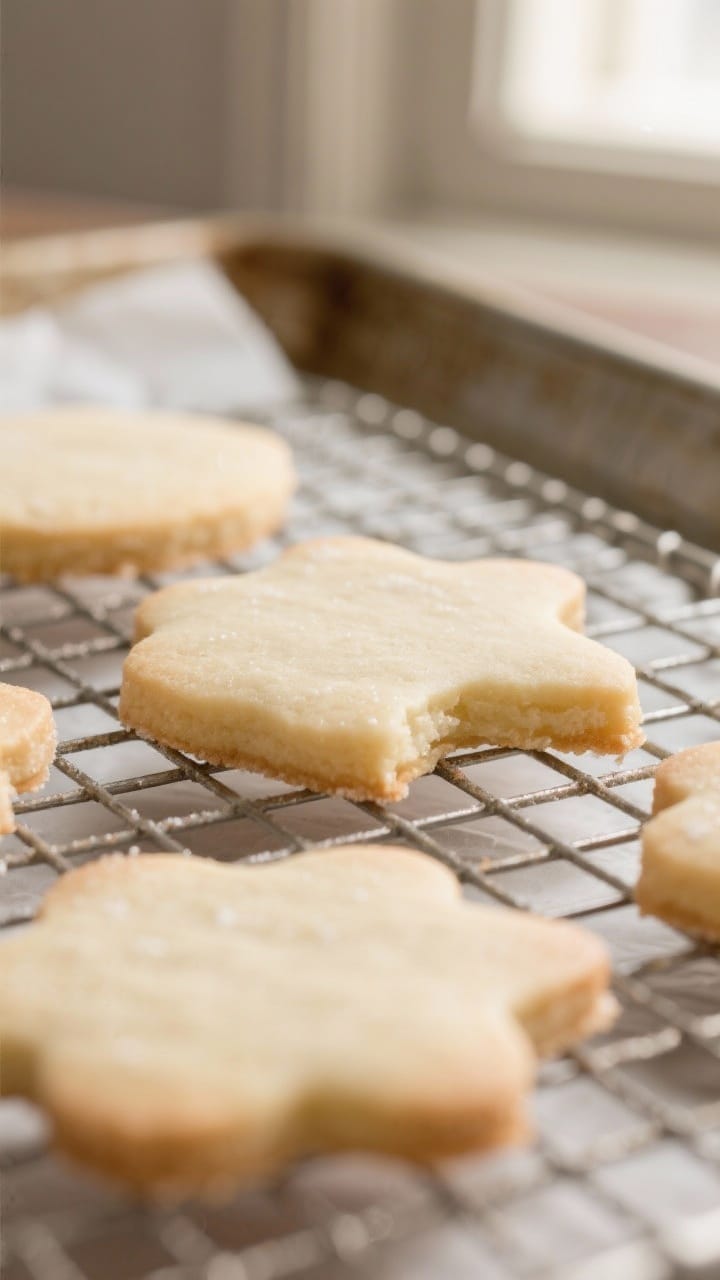
This dough has the right balance of butter and sugar for flavor and tenderness, plus a touch of cornstarch to keep the cookies soft. Using both granulated sugar and powdered sugar creates a melt-in-your-mouth texture without making the cookies spread.
Chilling the dough ensures clean, sharp shapes after baking. Rolling the dough between parchment sheets also keeps things smooth and reduces sticking.
A splash of vanilla and almond extract adds classic bakery-style taste. The bake time is short to keep the cookies soft in the middle while setting the edges.
With these techniques, you get cookies that are easy to cut, bake evenly, and decorate beautifully.
What You’ll Need About soft cut out sugar cookies
- 2 3/4 cups (345 g) all-purpose flour
- 2 tablespoons cornstarch (for extra softness and clean edges)
- 1 teaspoon baking powder
- 1/2 teaspoon fine salt
- 3/4 cup (170 g) unsalted butter, softened (cool room temperature)
- 1/2 cup (100 g) granulated sugar
- 1/2 cup (60 g) powdered sugar
- 1 large egg
- 1 large egg yolk (adds richness and softness)
- 1 1/2 teaspoons pure vanilla extract
- 1/4 teaspoon almond extract (optional but recommended)
- 1–2 tablespoons milk or cream (only if the dough seems dry)
For decorating (optional):
- Royal icing or a simple glaze (powdered sugar + milk + vanilla)
- Sprinkles, sanding sugar, or edible glitter
- Food coloring
Step-by-Step Instructions
- Whisk the dry ingredients. In a medium bowl, whisk the flour, cornstarch, baking powder, and salt. Set aside.
- Cream the butter and sugars. In a large bowl, beat the softened butter, granulated sugar, and powdered sugar until light and fluffy, about 2–3 minutes. Scrape the bowl as needed for even mixing.
- Add eggs and flavorings. Beat in the egg and egg yolk until smooth.
Mix in the vanilla and almond extract. The mixture should look creamy and cohesive.
- Combine wet and dry. Add the dry ingredients in two additions, mixing on low until just combined. If the dough seems crumbly, add 1 tablespoon of milk or cream.
The dough should be soft but not sticky.
- Divide and chill. Split the dough into two equal portions. Flatten each into a disc, wrap tightly in plastic, and chill for at least 1 hour (or up to 2 days). Chilling helps the dough relax and keeps cookies from spreading.
- Preheat and prep. When ready to bake, preheat your oven to 350°F (175°C).
Line two baking sheets with parchment paper.
- Roll the dough. Work with one disc at a time. Place it between two sheets of parchment and roll to 1/4 inch (6 mm) thickness for soft cookies that still hold their shape. For slightly firmer cookies, roll to 3/16 inch.
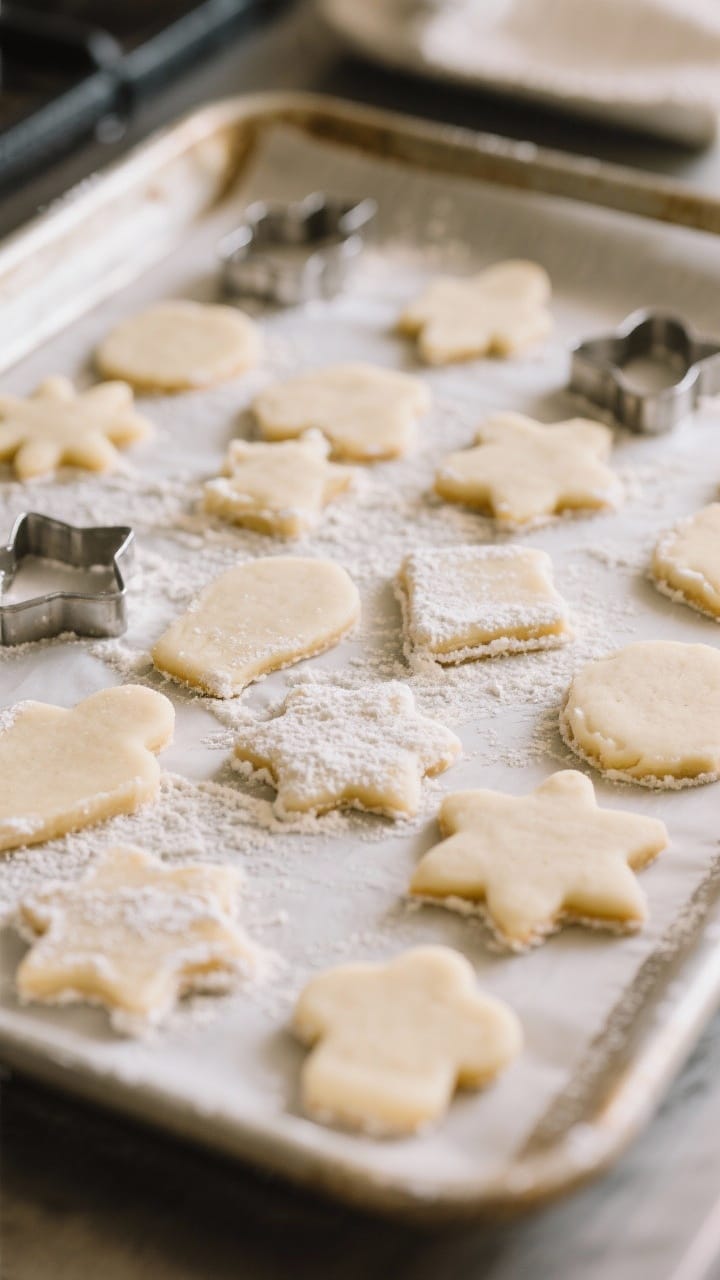
- Cut shapes. Use floured cookie cutters to cut shapes, transferring them to the prepared baking sheets.
Gather scraps, reroll once or twice as needed. For ultra-clean edges, pop the cut shapes into the fridge for 10 minutes before baking.
- Bake. Bake for 8–10 minutes, depending on size. The edges should look set but not browned.
Pull them while they still look pale for a soft texture.
- Cool completely. Let cookies rest on the sheet for 5 minutes, then transfer to a wire rack to cool fully before decorating.
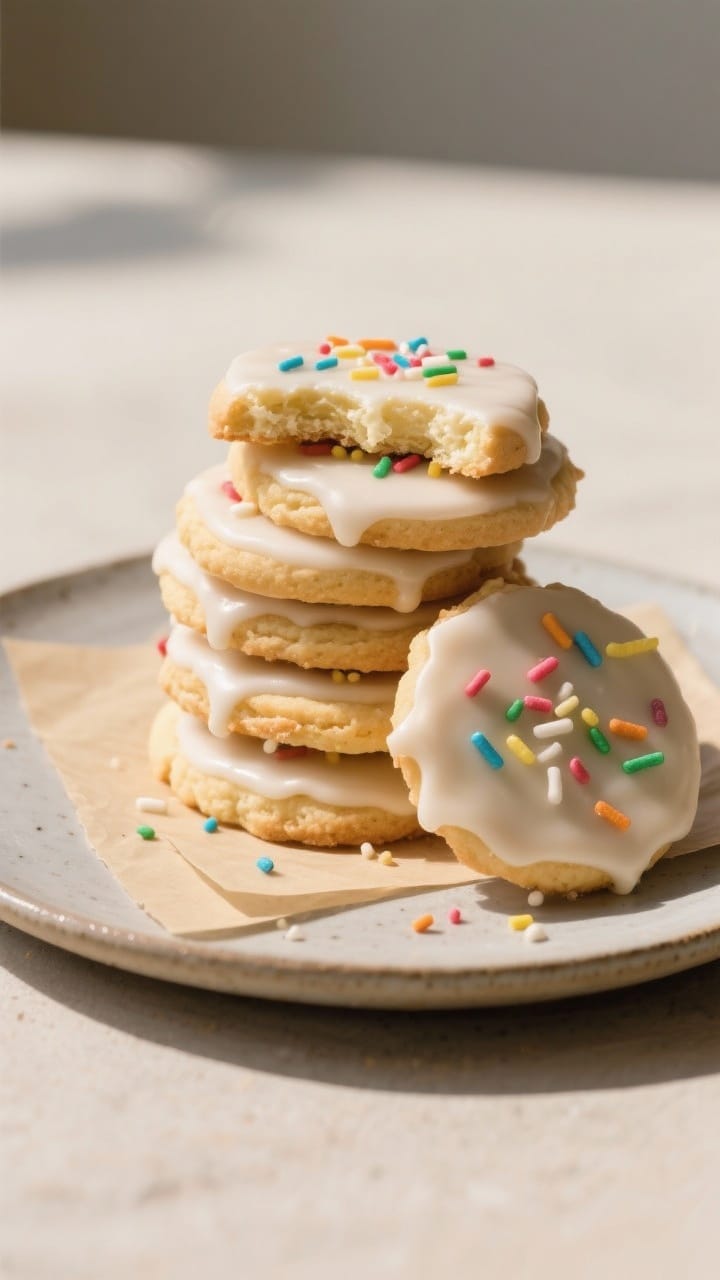
- Decorate. Use royal icing for clean lines and detailed designs, or a simple powdered sugar glaze for an easy, glossy finish. Let icing dry completely before stacking or storing.
Storage Instructions
- Room temperature: Store undecorated or glazed cookies in an airtight container for 4–5 days. Keep layers separated with parchment.
- Refrigerator: Royal-iced cookies can be stored in the fridge for up to a week.
Let them come to room temperature before serving.
- Freezer (baked cookies): Freeze undecorated cookies for up to 2 months. Thaw at room temperature with parchment between layers.
- Freezer (dough): Freeze dough discs up to 2 months. Thaw overnight in the fridge, then roll and bake as directed.

Benefits of This Recipe
- Soft and tender. Cornstarch and powdered sugar create a delicate, melt-in-your-mouth bite.
- Holds shape well. The chilled dough and balanced fat-to-flour ratio help cookies keep crisp edges.
- Flavor-forward. Vanilla and almond extracts provide that classic bakery aroma and taste.
- Make-ahead friendly. Dough chills and freezes well, so you can bake when it fits your schedule.
- Great for decorating. Smooth tops and sturdy edges are perfect for icing and sprinkles.
Common Mistakes to Avoid
- Overmixing the dough. Mix just until combined after adding the flour.
Overmixing makes cookies tough.
- Skipping the chill. Warm dough spreads in the oven and loses its shape. Chill for at least an hour.
- Rolling too thin. Thin dough bakes up crisp and fragile. Aim for 1/4 inch for soft cookies.
- Overbaking. Take them out when the edges look set but still pale.
Brown edges mean dry cookies.
- Too much flour on the board. Excess flour leads to dry dough. Roll between parchment to avoid sticking without adding more flour.
Alternatives
- Lemon twist: Add 1 tablespoon lemon zest and swap almond extract for 1/2 teaspoon lemon extract.
- Vanilla bean: Use 1 teaspoon vanilla bean paste for visible specks and deeper vanilla flavor.
- Spiced sugar cookies: Add 1/2 teaspoon ground cinnamon and a pinch of nutmeg to the dry ingredients.
- Gluten-free: Use a good 1:1 gluten-free baking flour with xanthan gum. Chill a bit longer, and handle gently.
- Dairy-free:
- Swap butter for a quality dairy-free baking butter stick.
Check salt levels and adjust to taste.
- Colored dough:
- Knead a few drops of gel food coloring into portions of dough before rolling for festive designs.
FAQ
How do I keep my sugar cookies soft after baking?
Don’t overbake, store in an airtight container, and keep layers separated with parchment. You can add a slice of sandwich bread to the container to help maintain moisture (replace it every day or two).
Why did my cookies spread?
Usually the dough was too warm or had too much butter. Make sure to chill the dough thoroughly and avoid over-softening the butter.
Measuring flour by weight helps keep the dough balanced.
Can I make the dough ahead of time?
Yes. Chill the dough for up to 48 hours, or freeze for up to 2 months. Thaw in the fridge before rolling and baking.
What icing is best for decorating?
Royal icing is best for sharp lines and detailed designs.
A simple powdered sugar glaze is quicker and gives a soft, glossy finish. Both work well on these cookies.
How thick should I roll the dough?
For soft cut out cookies, roll to about 1/4 inch. This thickness keeps the centers tender while maintaining clean edges.
Can I make them without almond extract?
Absolutely.
Replace with more vanilla extract or a different flavor like lemon or maple. The cookies will still be delicious.
Do I need to chill the cut shapes before baking?
It’s optional but helpful. A quick 10-minute chill on the tray keeps edges extra sharp, especially with detailed cutters.
How do I prevent the dough from sticking?
Roll between parchment sheets and lightly flour your cutters.
If the dough warms up, pop it back in the fridge for a few minutes.
Final Thoughts
This soft cut out sugar cookies recipe gives you bakery-level results with simple steps and everyday ingredients. The dough is easy to handle, the cookies are tender, and the flavor is classic and comforting. Keep a batch of dough in the fridge during the holidays—or anytime you feel like decorating—and you’ll always be ready for a sweet moment.
Happy baking!

Soft Cut Out Sugar Cookies Recipe – Tender, Buttery Cookies That Hold Their Shape
Ingredients
Method
- Whisk the dry ingredients. In a medium bowl, whisk the flour, cornstarch, baking powder, and salt. Set aside.
- Cream the butter and sugars. In a large bowl, beat the softened butter, granulated sugar, and powdered sugar until light and fluffy, about 2–3 minutes. Scrape the bowl as needed for even mixing.
- Add eggs and flavorings. Beat in the egg and egg yolk until smooth.Mix in the vanilla and almond extract. The mixture should look creamy and cohesive.
- Combine wet and dry. Add the dry ingredients in two additions, mixing on low until just combined. If the dough seems crumbly, add 1 tablespoon of milk or cream.The dough should be soft but not sticky.
- Divide and chill. Split the dough into two equal portions. Flatten each into a disc, wrap tightly in plastic, and chill for at least 1 hour (or up to 2 days). Chilling helps the dough relax and keeps cookies from spreading.
- Preheat and prep. When ready to bake, preheat your oven to 350°F (175°C).Line two baking sheets with parchment paper.
- Roll the dough. Work with one disc at a time. Place it between two sheets of parchment and roll to 1/4 inch (6 mm) thickness for soft cookies that still hold their shape. For slightly firmer cookies, roll to 3/16 inch.
- Cut shapes. Use floured cookie cutters to cut shapes, transferring them to the prepared baking sheets.Gather scraps, reroll once or twice as needed. For ultra-clean edges, pop the cut shapes into the fridge for 10 minutes before baking.
- Bake. Bake for 8–10 minutes, depending on size. The edges should look set but not browned.Pull them while they still look pale for a soft texture.
- Cool completely. Let cookies rest on the sheet for 5 minutes, then transfer to a wire rack to cool fully before decorating.
- Decorate. Use royal icing for clean lines and detailed designs, or a simple powdered sugar glaze for an easy, glossy finish. Let icing dry completely before stacking or storing.