If you’ve ever had royal icing slide off a cookie or watched your shapes spread in the oven, this recipe is for you. These sugar cookies bake up with clean edges, a tender bite, and a flat, smooth surface that’s ideal for decorating. The dough is easy to work with, doesn’t require fancy ingredients, and can be made ahead.
Whether you’re decorating for holidays, birthdays, or just for fun, these cookies hold up beautifully from mixer to piping bag. And yes—they taste as good as they look.
Table of Contents
Why This Recipe Works
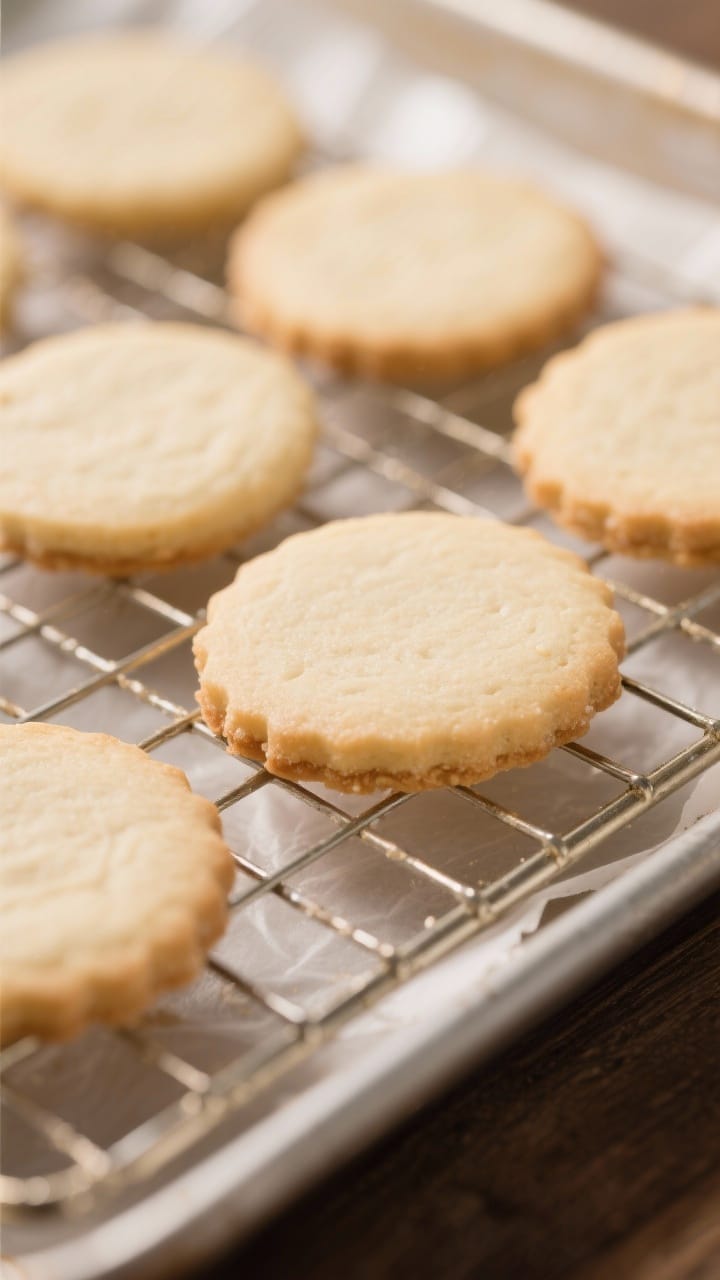
- No Spread Formula: The right ratio of butter to flour and a touch of cornstarch help the cookies hold their shape in the oven.
- Chill Once, Roll Once: The dough is designed to roll smoothly and bake evenly after a quick chill, saving time without sacrificing clean edges.
- Flat, Smooth Surface: A slightly thicker cut and controlled bake create a smooth top that’s perfect for flooding with royal icing.
- Balanced Flavor: Vanilla and almond extract add bakery-style flavor without overpowering the icing.
- Tender, Not Crumbly: Just the right amount of egg and sugar deliver a soft bite that still stands up to decorating.
Ingredients
- 1 cup (227 g) unsalted butter, slightly softened (cool to the touch, not melty)
- 1 cup (200 g) granulated sugar
- 1 large egg, room temperature
- 2 tsp pure vanilla extract
- 1/2 tsp almond extract (optional but recommended)
- 1/2 tsp fine sea salt
- 1 tsp baking powder
- 3 cups (360 g) all-purpose flour
- 2 tbsp cornstarch
For Royal Icing

- 4 cups (480 g) powdered sugar, sifted
- 3 tbsp meringue powder
- 6–8 tbsp water, plus more as needed
- 1 tsp vanilla extract (use clear vanilla for bright white icing)
- Optional: 1 tsp light corn syrup for extra shine and softer bite
Instructions
- Cream the butter and sugar: In a stand mixer with the paddle attachment, beat butter and sugar on medium speed for 2 minutes until smooth and slightly fluffy. Don’t overbeat—too much air causes spreading.
- Add egg and extracts: Mix in the egg, vanilla, and almond extract until fully combined, scraping the bowl as needed.
- Combine dry ingredients: In a separate bowl, whisk flour, cornstarch, baking powder, and salt.
- Bring the dough together: Add the dry ingredients to the mixer on low speed.
Mix just until the dough forms clumps and pulls away from the bowl. If it’s very crumbly, add 1–2 tsp water.
- Divide and chill: Split dough into two discs, wrap in plastic, and chill for 30–45 minutes. You want it cool but still rollable.
- Roll and cut: On a lightly floured surface (or between two sheets of parchment), roll dough to 1/4 inch (6 mm) thick for sturdy cookies or 3/8 inch (9–10 mm) for a softer bite.
Cut shapes and transfer to a parchment-lined baking sheet.
- Quick chill again: Place the tray in the fridge for 10–15 minutes while the oven preheats to 350°F (175°C). This locks in clean edges.
- Bake: Bake 9–12 minutes depending on size. Look for matte tops and set edges with little to no browning.
Overbrowning can affect icing color and texture.
- Cool completely: Let cookies rest on the sheet for 5 minutes, then move to a wire rack. Wait until fully cool before icing—warm cookies will melt the icing.
- Make royal icing: In a large bowl, whisk powdered sugar and meringue powder. Add 6 tbsp water and vanilla.
Beat on medium-high for 2–3 minutes until thick and glossy with soft peaks. Adjust with water by the teaspoon for desired consistency. For flood consistency, aim for a ribbon that disappears into the bowl in about 10–12 seconds.
- Decorate: Outline cookies with slightly thicker icing (15–20 second consistency).
Flood with thinner icing. Use a toothpick or scribe to pop bubbles and push icing to the edges. Let dry at room temperature until set, 6–8 hours or overnight.

How to Store of Sugar Cookie
- Undecorated cookies: Store in an airtight container at room temperature for 5–7 days, or freeze up to 2 months.
Thaw at room temp in the container to avoid moisture issues.
- Decorated cookies: Once icing is fully dry, layer cookies between parchment in an airtight container. Keep at room temperature for up to 2 weeks.
- Royal icing: Store in an airtight container with plastic wrap pressed onto the surface. Keep at room temperature for 1–2 days or in the fridge for up to a week.
Stir well before using.
- Dough: Wrapped tightly, dough keeps in the fridge for 3–4 days or freezer for 2 months. Thaw in the fridge overnight.
Benefits of This Recipe
- Holds shape beautifully, even with detailed cutters.
- Soft yet sturdy, so they’re enjoyable to eat and easy to decorate.
- Reliable texture that creates a smooth canvas for royal icing.
- Make-ahead friendly for big projects and holiday batches.
- Balanced flavor that complements sweet icing without being bland.
What Not to Do
- Don’t over-cream butter and sugar. Too much air makes cookies puff and spread.
- Don’t skip chilling. Warm dough equals soft edges and warped shapes.
- Don’t over-flour the surface. Excess flour toughens cookies and dulls the flavor.
- Don’t overbake. Browning can lead to a dry, crumbly texture and off-white tops.
- Don’t decorate warm cookies. The icing will melt, bleed, and refuse to set.
- Don’t thin icing too much. Runny icing won’t hold outlines and can drip off the sides.
Variations You Can Try
- Lemon Twist: Add 1–2 tsp lemon zest and swap half the vanilla for lemon extract. Pair with lemon royal icing.
- Warm Spice: Add 1/2 tsp ground cinnamon and a pinch of nutmeg for cozy, fall-friendly cookies.
- Vanilla Bean: Use 1 tsp vanilla bean paste in place of vanilla extract for specks and richer flavor.
- Chocolate Sugar Cookies: Replace 1/2 cup (60 g) of flour with Dutch-process cocoa.
Increase sugar by 2 tbsp if desired.
- Gluten-Free: Use a 1:1 gluten-free flour blend that includes xanthan gum; chill well and handle gently.
- Dairy-Free: Use a plant-based butter stick (not spread). Expect slightly softer edges but similar results.
FAQ
How thick should I roll the dough for decorating?
Aim for 1/4 inch for sturdy cookies that hold up to handling and packaging. If you prefer a softer bite, go up to 3/8 inch and extend the bake time by 1–2 minutes.
Why are my cookies spreading?
Common culprits are warm dough, over-creamed butter, or an oven that runs hot.
Chill the cut shapes, keep butter cool, and use an oven thermometer to verify temperature.
Can I skip the cornstarch?
Cornstarch helps with tenderness and clean edges. If you skip it, replace with equal flour, but expect slightly more spread and a firmer bite.
What’s the right consistency for royal icing?
Use thicker icing for outlines (15–20 second) and thinner icing for flooding (10–12 second). The “second” count is how long a ribbon of icing takes to disappear back into the bowl.
How long does royal icing take to dry?
Surface dry can happen in 1–2 hours, but full set usually takes 6–8 hours or overnight.
Avoid humidity if possible; it slows drying and can cause color bleeding.
Can I flavor the royal icing?
Yes. Use clear vanilla, almond, or lemon extract. Avoid oils, which can break the icing and reduce stability.
How do I avoid bubbles and craters?
Don’t over-mix icing, tap bowls to release trapped air, and use a scribe to pop bubbles right after flooding.
For small sections, let the outline set slightly before flooding.
What’s the best way to package decorated cookies?
Let icing dry completely, then place cookies in individual cello bags and heat seal or tie. Layer in boxes with bubble wrap or tissue for safe transport.
Final Thoughts
This is the sugar cookie recipe decorators come back to again and again: simple, sturdy, and consistently delicious. With clean edges, a smooth top, and a soft bite, it gives royal icing the perfect stage.
Keep your ingredients cool, don’t rush the chill, and watch the bake time. The result is a cookie that looks professional and tastes like home.


Best Sugar Cookie Recipe To Use With Royal Icing – Soft, Sturdy, and Perfectly Shaped
Ingredients
Method
- Cream the butter and sugar: In a stand mixer with the paddle attachment, beat butter and sugar on medium speed for 2 minutes until smooth and slightly fluffy. Don’t overbeat—too much air causes spreading.
- Add egg and extracts: Mix in the egg, vanilla, and almond extract until fully combined, scraping the bowl as needed.
- Combine dry ingredients: In a separate bowl, whisk flour, cornstarch, baking powder, and salt.
- Bring the dough together: Add the dry ingredients to the mixer on low speed.Mix just until the dough forms clumps and pulls away from the bowl. If it’s very crumbly, add 1–2 tsp water.
- Divide and chill: Split dough into two discs, wrap in plastic, and chill for 30–45 minutes. You want it cool but still rollable.
- Roll and cut: On a lightly floured surface (or between two sheets of parchment), roll dough to 1/4 inch (6 mm) thick for sturdy cookies or 3/8 inch (9–10 mm) for a softer bite.Cut shapes and transfer to a parchment-lined baking sheet.
- Quick chill again: Place the tray in the fridge for 10–15 minutes while the oven preheats to 350°F (175°C). This locks in clean edges.
- Bake: Bake 9–12 minutes depending on size. Look for matte tops and set edges with little to no browning.Overbrowning can affect icing color and texture.
- Cool completely: Let cookies rest on the sheet for 5 minutes, then move to a wire rack. Wait until fully cool before icing—warm cookies will melt the icing.
- Make royal icing: In a large bowl, whisk powdered sugar and meringue powder. Add 6 tbsp water and vanilla.Beat on medium-high for 2–3 minutes until thick and glossy with soft peaks. Adjust with water by the teaspoon for desired consistency. For flood consistency, aim for a ribbon that disappears into the bowl in about 10–12 seconds.
- Decorate: Outline cookies with slightly thicker icing (15–20 second consistency).Flood with thinner icing. Use a toothpick or scribe to pop bubbles and push icing to the edges. Let dry at room temperature until set, 6–8 hours or overnight.