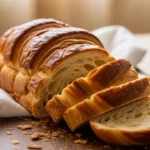
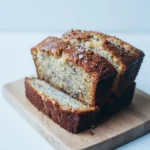
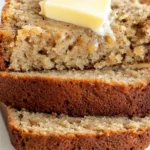
Recipe for ezekiel bread is a nutrient-dense, ancient sprouted loaf inspired by biblical tradition that delivers unparalleled nutritional value and rich, nutty flavor. After extensive experience of testing recipes in my kitchen, I can tell you that baking this loaf at home yields a texture and depth of flavor far superior to store-bought frozen versions.
The first time I made sprouted grain bread, I struggled with dense, gummy loaves because I hadn’t mastered the exact balance of sprouted legumes to grains. After countless rounds of testing throughout my career, I discovered that precise sprouting times, careful dehydration temperatures, and balanced hydration are the true secrets to achieving a golden crust and tender interior crumb.
What separates this complete protein bread from the rest is its unique combination of six sprouted grains and legumes—wheat, barley, spelt, millet, lentils, and soybeans—which form a complete plant-based amino acid profile without relying on commercial flours or synthetic additives.
This Ezekiel bread will not disappoint. Let’s get started.
Table of Contents
What Makes Ezekiel Bread So Special?
Unlike conventional whole wheat breads made from milled flour, authentic Ezekiel 4:9 bread relies on the process of sprouting whole, raw grains and legumes. Sprouting unlocks stored nutrients, decreases phytic acid (an anti-nutrient that binds to minerals like iron and zinc), and increases bioavailable vitamins and enzymes.
When grains sprout, their complex starches break down into simpler carbohydrates, making the bread significantly easier on digestion. Additionally, combining cereal grains (wheat, barley, millet, spelt) with pulse crops (lentils and soybeans) creates a synergistic amino acid blend, turning every slice into a natural source of high-quality protein.
Ingredients You Will Need For Recipe for ezekiel bread
To craft an authentic loaf, source certified organic, non-irradiated whole grains and dried legumes to ensure high germination success rates.
The Sprouting Grain & Legume Blend
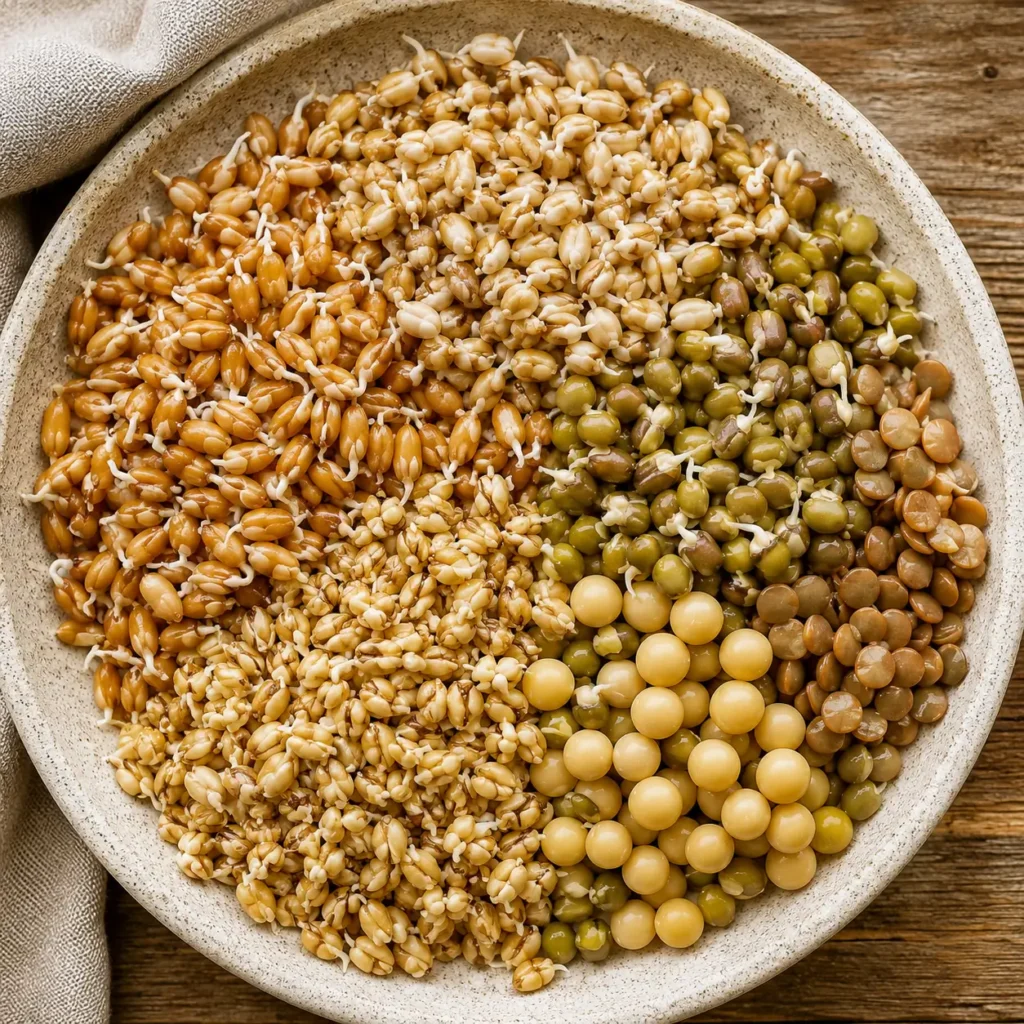
- Sprouted wheat berries (Hard red or white winter wheat): 2.5 cups whole berries
- Sprouted spelt berries: 0.5 cup whole berries
- Sprouted hulled barley: 0.5 cup whole grains
- Sprouted millet: 0.5 cup whole grains
- Green or brown lentils: 0.25 cup dried lentils
- Small dry soybeans (or kidney beans): 0.25 cup dried beans
Dough Formula & Hydration
- Warm water (105°F–110°F / 40°C–43°C): 1.75 to 2 cups
- Active dry yeast (or instant yeast): 1 tablespoon (11g)
- Raw wildflower honey (or pure maple syrup for vegan): 2 tablespoons
- Extra virgin olive oil: 2 tablespoons
- Fine sea salt: 1.5 teaspoons
- Vital wheat gluten (optional, for lighter rise): 2 tablespoons
Kitchen Tools & Equipment Needed For Ezekiel bread
- Sprouting Jars or Mesh Bags: 2-quart wide-mouth Mason jars equipped with stainless steel sprouting lids.
- Grain Mill or High-Powered Food Processor: To grind wet sprouted grains into a coarse paste, or dry sprouted grains into fresh sprouted wheat flour.
- Stand Mixer: Equipped with a dough hook attachment.
- Standard Loaf Pans: 8.5 x 4.5-inch metal loaf pans, greased or lined with parchment paper.
- Instant-Read Digital Thermometer: To test internal crumb temperature.
Step-by-Step Instructions
Step 1: The Sprouting Process (24–48 Hours)
- Rinse and Soak: Combine all whole grains (wheat, spelt, barley, millet) and legumes (lentils, soybeans) in a large glass jar. Rinse thoroughly with cool water, drain, and cover with twice their volume in fresh, filtered water. Soak for 8 to 12 hours at room temperature.
- Drain and Germinate: Drain all water using a mesh screen. Invert the jar at a 45-degree angle in a cool, dark corner of your kitchen to drain continuously.
- Rinse Twice Daily: Rinse the grain mixture with cool water every 8 to 12 hours. Continue until tiny white sprouts (approx. 1/16 to 1/8 inch long) appear. Do not let sprouts grow too long, or the grains will turn sweet and lose structural starch.
Expert Failure Warning: Never dry or warm your sprouts above 115°F (46°C) during the processing phase. Excessive heat destroys beneficial sprouting enzymes and degrades natural proteins, resulting in a flat, gummy loaf that refuses to rise.
Step 2: Processing the Grains
You can choose between two methods:
- Wet Paste Method (Traditional Flourless Style): Drain sprouted grains thoroughly. Pass the damp sprouted mixture through a heavy-duty meat grinder or process in batches in a high-powered food processor until a cohesive dough paste forms. This creates a true flourless sprouted bread.
- Milled Flour Method (Artisan Loaf Style): Dehydrate sprouted grains in a food dehydrator at 105°F for 12–18 hours until bone dry. Mill finely using a home grain mill to produce fresh whole-grain flour.
Step 3: Mixing and Kneading the Dough
- Activate Yeast: In the bowl of your stand mixer, whisk together warm water, raw honey, and active dry yeast. Allow to stand for 5 to 10 minutes until thick and frothy.
- Combine Ingredients: Add olive oil, sea salt, and your processed sprouted grain paste (or milled flour mixture).
- Knead: Mix on low speed using a dough hook for 8 to 10 minutes until a uniform, elastic dough forms. Sprouted grain doughs feel tackier than traditional flour doughs—resist the urge to add excessive dry flour.
Step 4: First Proof, Shaping, and Final Bake
- First Rise: Place dough in a lightly oiled bowl, cover with a damp kitchen towel, and let rise in a warm, draft-free spot for 60 to 75 minutes, or until increased in volume by about 50%.
- Shape: Turn dough onto a clean surface. Gently shape into a compact loaf cylinder and transfer into a greased 8.5 x 4.5-inch loaf pan.
- Second Proof: Cover loosely and let rise for 35 to 45 minutes until the dough crowns about 1 inch above the rim of the pan.
- Bake: Preheat your oven to 350°F (175°C). Bake for 45 to 50 minutes. The top should be deep golden brown, and an instant-read thermometer inserted into the center must read at least 190°F–200°F (88°C–93°C).
- Cool: Turn out onto a wire cooling rack immediately and cool completely for at least 2 hours before slicing.
Expert Tips for Baking Success Ezekiel bread
| Technique | Professional Advice | Expected Outcome |
| Hydration Control | Sprouted grain paste holds high moisture. Adjust water gradually during mixing. | Prevents soggy or collapsed centers. |
| Gluten Support | Add 2 tbsp vital wheat gluten if using 100% wet sprouted paste. | Enhances oven spring and loaf structure. |
| Crust Texture | Brush top crust with melted butter or coconut oil immediately out of oven. | Softens the crust for easy slicing. |
| Cooling Patience | Never cut hot sprouted bread. | Prevents gummy texture inside. |
Tested Variations For Best Recipe for ezekiel bread
- Seeded Everything Ezekiel Loaf: Roll the shaped loaf in a mixture of raw sunflower seeds, pumpkin seeds, sesame seeds, and flaxseed before final proofing.
- Sourdough Hybrid Ezekiel: Replace commercial yeast with 1/2 cup active 100% hydration sourdough starter to add natural tartness and extend shelf life.
- Cinnamon Raisin Ezekiel: Fold 3/4 cup organic raisins and 1.5 teaspoons ground cinnamon into the dough during the final mixing phase.
Storage & Freezing Guidelines
Because genuine sprouted Ezekiel bread contains no artificial preservatives, additives, or dough conditioners, storage management is critical:
- Room Temperature: Store in an airtight bread box for up to 2–3 days max.
- Refrigeration: Keeps fresh in a sealed bag in the refrigerator for up to 2 weeks.
- Freezing (Recommended): Slice the cooled loaf completely, place parchment paper between slices, and freeze in a heavy-duty freezer bag for up to 3 months. Toast directly from frozen!
Frequently Asked Questions (FAQ)
Is Ezekiel bread gluten-free?
No. Ezekiel bread contains wheat, spelt, and barley, which all contain natural gluten. However, the sprouting process breaks down some gluten proteins, making it easier to digest for those with mild sensitivities (unsuitable for Celiac disease).
Why is store-bought Ezekiel bread always kept in the freezer?
Commercial Ezekiel bread contains zero artificial chemical preservatives. Freezing prevents mold growth and preserves natural moisture and nutrient freshness.
Can I make Ezekiel bread without soybeans?
Yes. If you have a soy allergy, replace soybeans with an equal ratio of navy beans, chickpeas, or additional lentils to maintain the complete protein balance.
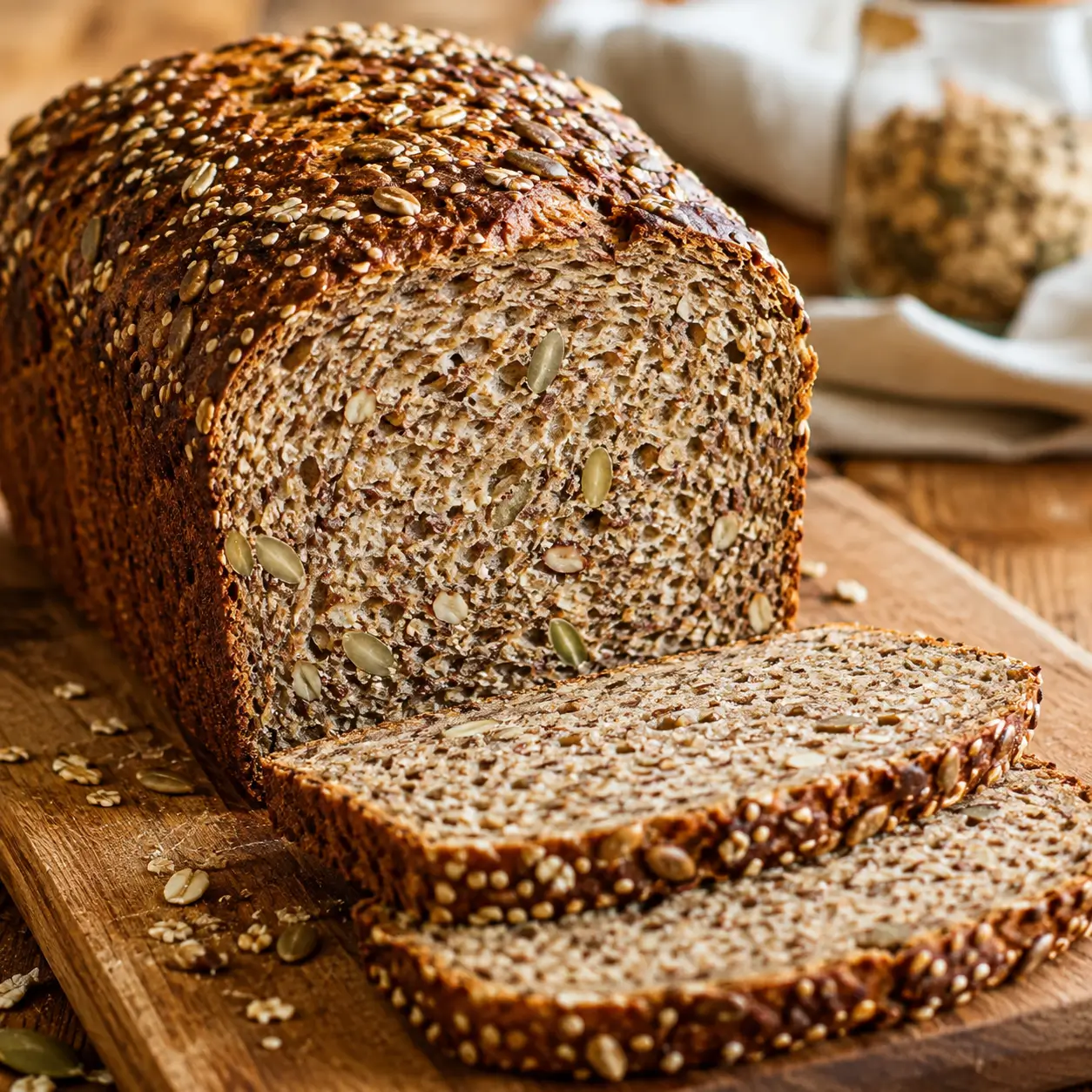
Ezekiel Bread Recipe
Ingredients
Method
- Soak wheat, spelt, barley, millet, lentils, and soybeans in filtered water for 12 hours. Drain and germinate in sprouting jars for 24 to 48 hours, rinsing twice daily until 1/16-inch sprouts appear.
- Grind damp sprouted grain mix in a food processor or heavy meat grinder into a coarse, cohesive paste.
- In a stand mixer, combine warm water, honey, and yeast. Let bloom for 10 minutes until frothy.
- Add olive oil, sea salt, and sprouted grain paste to yeast mixture. Knead with dough hook for 8-10 minutes until elastic.
- Place dough in oiled bowl, cover, and let rise for 60-75 minutes until increased in size by 50%.
- Shape dough into a loaf, transfer to a greased 8.5×4.5-inch loaf pan, and proof for 40 minutes until crowning above pan.
- Bake at 350°F (175°C) for 45-50 minutes until golden brown and internal temperature reaches 190°F-200°F. Cool fully before slicing.